Why Your Blog Gets Traffic But Never Converts — An SEO + CRO Teardown
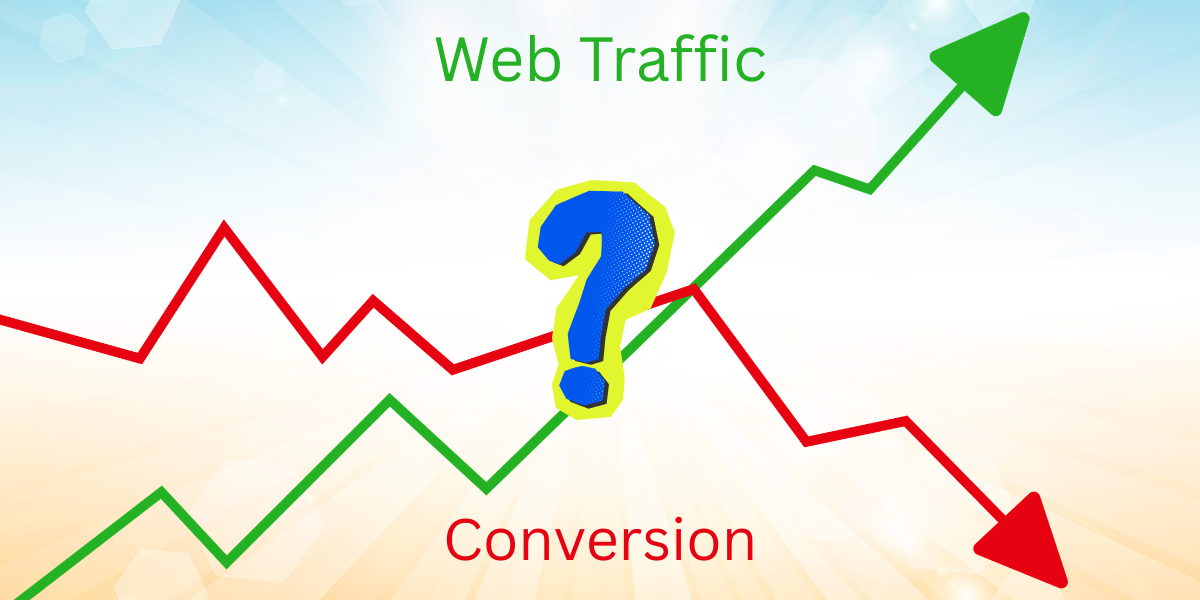
Many businesses celebrate when their blog starts getting traffic. Rankings improve. Visitors increase. Analytics dashboards look promising. Yet something still feels wrong.
Your blog traffic is growing, but conversions stay close to zero.
If this situation sounds familiar, you are not alone. Many websites generate thousands of monthly visits without turning those readers into leads or customers.
The problem usually lies in the gap between SEO and CRO.
SEO helps people find your content through search engines like Google. However, conversion rate optimisation (CRO) ensures that those visitors take action once they land on your page.
Without CRO, traffic remains just a number.
In this guide, we will break down why blogs attract visitors but fail to convert. More importantly, we will show you how to align SEO and CRO strategies so your blog becomes a real growth engine.
Traffic Alone Is Not a Marketing Strategy
Many brands focus heavily on ranking for keywords. They invest time in content production and link building. Eventually, the blog starts attracting traffic.
However, traffic itself does not generate revenue.
A visitor must complete an action first. That action may include:
- Subscribing to a newsletter
- Booking a consultation
- Downloading a resource
- Purchasing a product
- Requesting a service
Without these actions, your traffic has little business value.
Many marketers track performance through tools like Google Analytics. They see growing visitor numbers and assume the strategy works.
However, analytics alone cannot solve the problem.
The real question is this: why are visitors leaving without converting?
To answer that, we need to examine the most common causes.
Your Blog Attracts the Wrong Audience
One major reason blogs fail to convert is misaligned search intent.
SEO may bring large volumes of traffic, but those visitors may not be potential customers.
For example, imagine you run a digital marketing agency. Your blog ranks for a keyword like “what is SEO”. This topic attracts students, beginners, and curious readers.
However, those people may not be looking for professional services.
So they read the article and leave.
Your traffic increases, but your leads do not.
This situation happens frequently when websites chase high-volume keywords instead of high-intent keywords.
High-intent keywords usually include phrases such as:
- SEO agency services
- hire digital marketing agency
- SEO strategy for businesses
- professional SEO consultation
Visitors who search these phrases are much closer to making a decision.
Therefore, aligning content topics with business intent improves conversion potential dramatically.
Your Blog Does Not Guide the Reader Forward
Many blogs provide information but fail to guide readers toward the next step.
After reading the article, the visitor has no idea what to do next. When that happens, the user simply leaves the page. Strong blogs act like guided journeys. They move the reader from curiosity to action.
You can achieve this by placing strategic elements throughout the article.
These include:
- clear call-to-action buttons
- internal links to relevant services
- downloadable resources
- consultation invitations
Without these elements, your blog becomes an informational dead end.
Your content may educate readers, but it does not encourage engagement.
Weak Calls to Action Kill Conversions
Even when blogs include calls to action, they often feel vague or passive.
For example, many websites place a simple line at the bottom of the page that says:
“Contact us for more information.”
Most readers ignore this.
Strong calls to action should feel specific and relevant to the content.
For instance, if the blog discusses SEO strategy, the CTA could say:
“Want a custom SEO roadmap for your business? Book a strategy call with our team.”
This approach connects the article’s topic with a practical next step.
Placement also matters.
CTAs should appear:
- within the article
- after key insights
- at the end of the blog
This ensures readers see the opportunity before they leave.
Your Content Solves Curiosity but Not Problems
Some blogs answer surface-level questions. They explain basic concepts but stop before offering actionable solutions.
Readers gain knowledge, but they do not see a reason to engage further.
Content that converts usually solves deeper problems.
For example, instead of writing only about “what is SEO”, you might write about:
- How businesses lose revenue from poor SEO
- How to fix common ranking issues
- How SEO drives business growth
When readers see real solutions, they become more interested in professional help.
This creates a natural path from education to conversion.
Poor User Experience Reduces Trust
Even excellent content struggles to convert when the user experience feels frustrating.
Visitors make quick decisions about websites. If something feels slow or confusing, they leave.
Common UX problems include:
- slow loading pages
- cluttered layouts
- intrusive pop-ups
- difficult navigation
Search engines also consider these factors when ranking pages.
Modern SEO now overlaps heavily with user experience optimisation.
For instance, Google evaluates page experience signals through metrics such as Core Web Vitals in Google Search Console.
If your blog performs poorly in these areas, users may abandon the page before reading the content.
A clean, fast, and easy-to-read layout significantly improves engagement and conversions.
Your Blog Lacks Trust Signals
Visitors rarely convert on websites they do not trust.
Trust signals reassure readers that your brand is credible.
Without them, even valuable content struggles to convert.
Some effective trust signals include:
- testimonials from real clients
- case studies with measurable results
- industry certifications
- media mentions
- transparent company information
When readers see proof of expertise, they feel more comfortable taking action.
Trust transforms curiosity into confidence.
Your Blog Is Missing Strategic Internal Links
Internal linking plays a major role in both SEO and CRO.
From an SEO perspective, internal links help search engines understand the structure of your website.
From a CRO perspective, they guide readers toward valuable pages.
For example, a blog about SEO strategy should naturally link to:
- Your SEO service page
- Related case studies
- Deeper guides about ranking strategies
These links extend the reader’s journey.
Instead of leaving the site, visitors explore additional pages. This increases both engagement and conversion opportunities.
Data Reveals Where Conversions Break
To fix conversion problems, you must analyse user behaviour.
Analytics tools provide valuable insights into what visitors actually do.
For instance, platforms like Hotjar show heatmaps and user recordings. These tools reveal where readers scroll, click, and stop engaging.
You may discover patterns such as:
- Users leaving halfway through the article
- Readers ignoring CTAs
- Confusion around navigation elements
Once you identify these friction points, you can redesign the page experience.
Small adjustments often produce significant improvements in conversion rates.
The Real Power of Combining SEO and CRO
Many companies treat SEO and CRO as separate disciplines.
However, the most successful digital strategies combine them.
SEO brings visitors to your website.
CRO turns those visitors into customers.
When these two systems work together, your blog becomes far more valuable.
Instead of chasing traffic numbers alone, you focus on meaningful engagement.
Each article becomes part of a larger conversion journey.
Visitors discover your brand through search. They learn through your content. Then they take action because the experience feels clear and trustworthy.
That is the real goal of modern content marketing.
Turning Blog Traffic Into Real Business Growth
Getting traffic is an important milestone. It means your SEO strategy is working. People are discovering your content.
However, traffic alone does not build a business.
Your blog must guide readers, solve meaningful problems, and offer clear next steps.
When SEO and CRO align, something powerful happens. Your content stops being passive information. It becomes a strategic tool that drives leads, conversations, and long-term growth.
If your blog attracts visitors but struggles to convert them, it may be time to rethink the strategy behind it.
At Reach Rocket Media, we specialise in building integrated SEO and conversion strategies that transform traffic into real results. Connect with Reach Rocket Media today, and let’s turn your blog into a powerful growth engine for your business.
The Full-Funnel Strategy Most SMEs Are Sold But Never Actually Get
You’ve heard the pitch before.
An agency sits across from you and tells you they’ll build a “full-funnel strategy” that takes your audience from strangers to loyal customers. It sounds thorough. It sounds like exactly what your business needs. So you sign the contract, the work begins — and three months later, you’re running a few ads and wondering where the rest of it went.
This is one of the most common frustrations we hear from small and medium-sized businesses. The full-funnel strategy they were promised rarely looks like the one they actually received. And the gap between those two things is costing SMEs serious time, money, and momentum.
So let’s break down what a real full-funnel strategy involves. We’ll also show you what’s usually missing — and why it matters more than most agencies will admit.
What “Full-Funnel” Actually Means
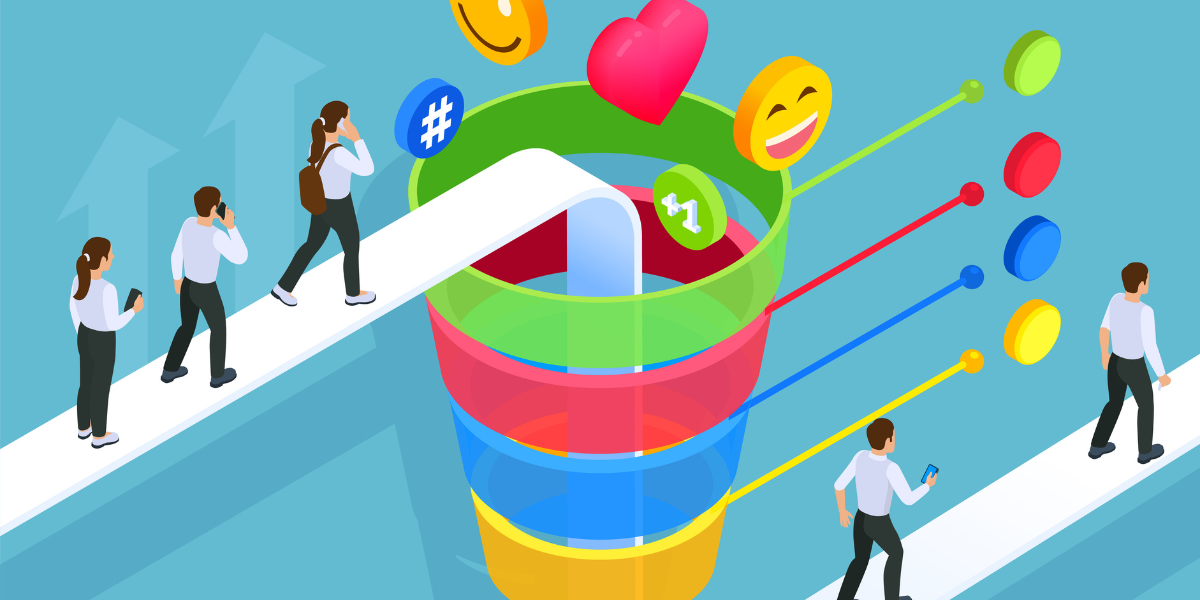
A funnel is a simple idea. People don’t become customers overnight. They move through stages before they buy anything.
At the top, they become aware of you. In the middle, they consider whether you’re the right fit. At the bottom, they decide to buy.
Each stage needs a different approach. You can’t use the same message for someone who’s never heard of you and someone who’s already visited your pricing page three times.
Top of funnel (TOFU) is about reach. You’re introducing your brand to people who don’t know you yet. Think blog content, short-form video, social media posts, and paid awareness campaigns.
Middle of funnel (MOFU) is about trust. You’re helping interested people understand why you’re the right choice. Think case studies, email sequences, comparison guides, and retargeting.
Bottom of funnel (BOFU) is about conversion. You’re nudging ready buyers to take action. Think offers, demos, testimonials, and direct response ads.
A proper full-funnel strategy works all three stages together. They feed each other. Without the top, the bottom runs dry. Without the middle, you lose people who were almost ready to buy.
The Pitch vs. The Reality
Here’s where things get uncomfortable.
Most agencies pitch full-funnel. Very few deliver it.
What you often get instead is a bottom-heavy approach dressed up in full-funnel language. You get Google search ads targeting people already looking for what you sell. You get a landing page. Maybe some retargeting. And that’s called a “funnel.”
We understand why this happens. Bottom-funnel tactics are easier to measure. Clicks, conversions, cost-per-acquisition — these numbers are clean and reportable. They look good in monthly summaries.
Top and middle-funnel work takes longer to show results. It’s harder to attribute directly to revenue. So agencies quietly deprioritise it. And you end up with half a strategy.
The problem is that bottom-funnel tactics have a ceiling. You can only capture people who are already searching for you. You’re not building anything new. And as soon as you stop spending, the leads stop coming.
Where Most SME Campaigns Get Stuck
We speak to a lot of SME owners. The pattern is almost always the same.
They start with ads. The ads work for a while. Then performance dips. The agency recommends a bigger budget. They increase spending. Performance dips again.
This is the hamster wheel of bottom-funnel-only marketing.
The issue isn’t the ads themselves. Paid ads are a legitimate part of the funnel. The issue is that there’s nothing feeding the top. There’s no audience being built. There’s no content warming people up before they hit the ad.
When only the bottom of the funnel is active, you’re hunting in a very small pool. Everyone in that pool has already been shown your ad multiple times. Costs go up. Returns go down.
Building the top of your funnel is what expands that pool. It’s what creates demand instead of just capturing it.
The Missing Middle – Why Nurturing Gets Ignored
If the top of the funnel is the most neglected stage, the middle is a close second.
This is where leads go to die on most SME campaigns.
Someone clicks your ad. They visit your site. They’re interested — but not ready to buy today. What happens next?
For most SMEs, the answer is: nothing. They either bounce and never come back, or they get added to a list that nobody emails.
The middle of the funnel is where you earn trust. It’s where you show people why you’re different. It’s where you turn interest into intent.
This stage usually involves a few key things. A nurture email sequence that delivers value without being pushy. Retargeting that shows different creatives to warm audiences. Content like case studies and testimonials that handle objections before your sales team has to.
This stage takes effort to build. But once it’s running, it does a lot of heavy lifting for you. It shortens your sales cycle. It improves your close rate. And it makes your bottom-funnel spend go a lot further.
What a Real Full-Funnel Strategy Looks Like?
Let’s make this concrete.
A working full-funnel strategy for an SME might look something like this.
At the top, you’re running consistent content. Blog posts targeting informational keywords. Short videos on social platforms where your audience spends time. Paid awareness campaigns introduce your brand to cold audiences. The goal here is visibility and reach — not immediate sales.
In the middle, you’re following up intelligently. People who engaged with your content or visited key pages get retargeted with more specific messaging. You have an email sequence that nurtures new leads over one to two weeks. You’re sharing social proof, addressing common questions, and building familiarity.
At the bottom, you’re converting. Direct response ads. A strong offer. Testimonials on the landing page. A clear and simple call to action. This is where the people who’ve been warmed by the top and middle stages arrive ready to buy.
The key word here is connected. Each stage feeds the next. It’s one system — not three separate campaigns running in isolation.
How to Tell If You’re Getting the Real Thing?
If you’re working with an agency right now, ask yourself a few honest questions.
Do they produce any top-of-funnel content for you? If the answer is no, your funnel has no roof.
Do you have any kind of email nurture sequence in place? If not, your middle is empty.
Are they measuring brand awareness, reach, or engagement — or only clicks and conversions? Agencies that only track bottom-funnel metrics are only running bottom-funnel work.
Are they growing your audience over time? A real full-funnel strategy builds an asset — an audience that knows you and trusts you. If your audience isn’t growing, you’re renting attention rather than building it.
These aren’t trick questions. They’re basic checks. And if the answers are mostly no, you’re not getting a full-funnel strategy. You’re getting the lite version with a full-funnel price tag.
The SME Advantage That Most Agencies Miss?
Here’s something worth saying clearly. SMEs actually have an edge when it comes to full-funnel marketing.
You know your customers. You know their language. You know what they worry about and what they want. That kind of insight is exactly what makes great top and middle-funnel content.
You don’t need a massive budget to do this well. You need consistency and a strategy that’s actually connected.
A well-built full-funnel system compounds over time. Your content builds authority. Your email list grows. Your retargeting audiences get bigger. And your conversion costs drop because the people arriving at the bottom already know who you are.
The SMEs that figure this out stop chasing leads. They start attracting them.
If your current marketing feels like it’s going in circles, there’s a good chance your funnel has a few holes in it. At Reach Rocket Media, we build full-funnel strategies that actually connect – from awareness right through to conversion. If you’re ready to stop buying half a strategy and start building something that works, let’s talk.

Why Social Media Marketing Feels Harder Than It Used to Be?
If social media marketing feels more frustrating than it did a few years ago, you are not imagining it.
Brands are posting regularly, investing in creative assets, and even running paid promotions, yet engagement is inconsistent, and growth feels slow. What once delivered quick visibility now demands constant effort with uncertain returns.
This shift is not the result of poor execution alone. The environment itself has changed.
Social platforms have matured, audiences have become more selective, and algorithms are far more complex than they once were. What worked reliably in the past now produces mixed results, even for experienced marketers.
At Reach Rocket Media, we work with UK businesses that often ask the same question. Why does social media feel so hard now?
The answer lies in how platforms, users, and expectations have evolved.
The Early Days Were Simpler by Design
In the earlier stages of social media marketing, platforms were focused on growth. They needed users to join, post, and interact frequently.
As a result:
• Organic reach was generous
• Competition was limited
• Posting consistently was often enough
Brands benefited from an environment where visibility came easily, and audience attention was plentiful.
That phase has ended.
Algorithms Are Now Designed to Control Attention
Modern social platforms are not neutral distribution tools. They are attention management systems.
Algorithms prioritise content that keeps users on the platform longer. This means posts compete not only with other brands but also with creators, entertainment content, and personal interactions.
Visibility is no longer granted by frequency alone. It is earned through relevance and engagement signals.
This shift makes social media marketing feel harder because effort no longer guarantees exposure.
Organic Reach Has Declined Across Platforms
One of the biggest changes is the steady reduction in organic reach.
Brands often notice that posts shown to thousands of followers years ago now reach only a fraction of that number. This is not a technical issue. It is a platform strategy.
Organic reach has been limited to encourage paid promotion and reduce content overload for users.
As a result, brands must now work harder to achieve the same visibility they once received naturally.
Content Saturation Has Changed User Behaviour
There is more content than ever before.
Every day, users scroll past hundreds of posts across multiple platforms. Attention spans are shorter, and tolerance for generic content is low.
This has created a tougher environment where only content that feels relevant or entertaining earns interaction.
For brands, this means:
• Average posts are ignored
• Engagement feels unpredictable
• Growth takes longer
The challenge is not only algorithmic. It is behavioural.
Audiences Are More Selective and Less Trusting
Social media users have matured.
They recognise promotional content quickly and often scroll past it without engaging. Audiences now expect authenticity, clarity, and value.
Content that feels overly polished or sales-driven often underperforms, even if it looks professional.
This change makes social media feel harder because surface-level marketing no longer works consistently.
Platform Priorities Change Faster Than Strategies
Another major frustration is the speed at which platforms evolve.
Features, formats, and priorities change regularly. What receives visibility one year may be deprioritised the next.
For example:
• Short-form video is favoured over static posts
• Community interaction often outweighs reach metrics
• Consistency matters more than volume
Brands that rely on outdated assumptions often see declining results without understanding why.
Metrics No Longer Tell the Full Story
In the past, likes and follower growth were easy indicators of success.
Today, these metrics can be misleading.
A post may receive modest engagement yet drive meaningful website traffic or conversions. Another may perform well visually but deliver no business impact.
This creates confusion and the perception that social media is harder to measure and justify.
The reality is that success now depends on alignment with broader marketing goals, not vanity metrics.
Paid Promotion Has Become a Necessity
Organic social media alone is rarely sufficient for consistent growth.
Paid social is now an essential component, even for brands with strong content. However, paid ads without organic credibility often perform poorly.
When audiences do not recognise or trust a brand, paid impressions feel intrusive rather than helpful.
This makes social media marketing feel more complex, as it requires coordination between organic presence and paid strategy.
Consistency Requires More Resources Than Before
Creating effective social content today requires more than posting images or text.
High-performing content often demands:
• Strategic planning
• Platform-specific formats
• Community management
• Creative testing
This increased workload contributes to the feeling that social media is harder than it used to be.
It is not just about showing up anymore. It is about showing up with purpose.
What Has Not Changed?
Despite the challenges, some fundamentals remain constant.
Social media still works when brands:
• Understand their audience clearly
• Communicate consistently
• Provide genuine value
• Integrate social with SEO and paid media
The difference is that shortcuts no longer exist.
Social Media Is Harder Because It Is More Mature
Social media marketing feels harder because the environment has grown up.
Platforms are crowded, audiences are selective, and algorithms prioritise quality over quantity. Success now requires strategy, patience, and integration with wider digital marketing efforts.
For brands willing to adapt, social media remains powerful. For those relying on old assumptions, frustration is inevitable.

Why Content Written Only for SEO Fails in the Age of AI?
For many years, content marketing was driven by SEO mechanics. Writers were given keywords, word counts, and formatting rules. Success was measured by rankings rather than by whether the content genuinely helped anyone.
That approach is now failing.
AI-driven search has changed how content is evaluated, surfaced, and trusted. Content created only to satisfy SEO requirements often performs poorly, even when it appears technically optimised.
Modern brands are discovering a difficult truth. Content written only for SEO rarely builds authority, trust, or long-term visibility.
At Reach Rocket Media, we see this pattern across UK websites of every size. Large volumes of keyword-focused content exist, yet organic performance remains flat or declines.
This article explains why SEO only content fails in the age of AI, what has changed in search behaviour, and how UK brands must rethink content strategy.
What “Content Written Only for SEO” Really Means?
SEO only content is not necessarily badly written. It is content designed primarily to rank, not to communicate.
It usually shows several clear signs:
- Topics chosen based on keyword volume alone
- Repetitive phrasing to force keyword placement
- Length is driven by ranking assumptions rather than need
- Generic explanations with little original insight
- Minimal consideration of reader intent
In the past, this approach could still succeed. Search engines were limited in their ability to evaluate meaning and quality.
AI has removed that limitation.
How AI Evaluates Content Differently?
AI-driven search systems are designed to understand language, intent, and usefulness.
They assess whether the content:
- Answers the implied question behind the search
- Provides depth rather than surface coverage
- Uses natural, clear language
- Aligns with related content on the site
- Keeps users engaged
This means content that exists only to include keywords is often identified as low value, even if it follows traditional SEO rules.
AI systems are not impressed by structure alone. They look for substance.
Why Keyword Targeting Alone Is No Longer Enough?
Keywords still matter. They just no longer function in isolation.
When content is written only to include keywords, it often misses the real intent behind the search. The result is content that technically matches a query but fails to satisfy the user.
For example, someone searching for a service is not looking for a definition. They want clarity, reassurance, and differentiation.
AI systems measure whether users find what they need. If they do not, rankings do not last.
Engagement Signals Expose SEO Only Content Quickly
Search engines observe how users interact with content.
SEO only content often produces:
- Short time on page
- Low scroll depth
- High bounce rates
- Minimal internal navigation
These signals tell AI that the content did not meet expectations.
In contrast, content written for people tends to encourage reading, exploration, and return visits. AI systems recognise this difference.
Why AI Favour Brands That Communicate Clearly?
AI-driven search increasingly favours brands that demonstrate clarity and expertise.
Content that explains concepts simply, addresses real concerns, and maintains a consistent voice performs better than content built around keyword formulas.
This is especially true in competitive UK markets where audiences are well informed and sceptical of generic marketing content.
Clear communication builds trust. SEO only content rarely does.
The Problem With Writing for Algorithms Instead of Audiences
SEO only content treats the reader as secondary.
This creates several problems:
- Content sounds unnatural
- Key points are buried under optimisation
- Language lacks confidence and originality
- The brand voice becomes generic
AI systems are trained on human language patterns. Content that feels artificial stands out for the wrong reasons.
Writing for people and writing for AI are no longer separate goals. AI rewards content that feels human.
Why Topical Authority Cannot Be Built With SEO Only Content
Authority is not built page by page. It is built through consistency and depth across topics.
SEO only content often chases isolated keywords without contributing to a wider narrative. Pages exist independently rather than supporting each other.
AI evaluates how well content fits within a broader topic ecosystem. Disconnected, keyword-focused pages fail to establish that structure.
This is why websites with fewer but better-integrated pages often outperform those with large volumes of SEO driven content.
What Modern Content Must Do Instead?
Content that succeeds in the age of AI balances optimisation with communication.
Effective modern content:
- Starts with user intent, not keywords
- Explains topics clearly and confidently
- Adds insight rather than repetition
- Supports related content strategically
- Reflects real expertise
SEO still plays a role, but it supports the message rather than dictating it.
Why This Matters for UK Brands Specifically?
UK audiences tend to value clarity, credibility, and professionalism. Overly optimised content often feels sales-driven or insincere.
AI-driven search reflects this behaviour. Content that resonates with UK readers performs better over time.
Brands that continue producing SEO only content often find themselves publishing more while achieving less.
Content Must Serve People First
Content written only for SEO fails because search engines now understand what users value.
AI-driven systems reward clarity, relevance, and usefulness. They penalise content that exists purely to manipulate rankings.
SEO has not disappeared. It has matured.
If your content ranks briefly but fails to convert or build trust, it may be written for SEO rather than people.
At Reach Rocket Media, we help UK brands create content that performs because it communicates well, not because it follows outdated formulas.

Why Old SEO Playbooks Are Failing Modern Brands?
SEO has not stopped working. What has stopped working is the way many brands still approach it.
Modern search engines behave very differently from those of even a few years ago. AI-driven systems now evaluate context, intent, trust, and experience. Yet many UK brands still rely on tactics designed for a far simpler search environment.
The result is predictable. Rankings fluctuate, traffic plateaus, and SEO feels unreliable.
To understand why this happens, it helps to compare old SEO playbooks with how modern SEO actually works today.
Old SEO vs Modern SEO Playbooks
| Old SEO Playbook | Modern SEO Playbook |
| Focus on exact match keywords | Focus on search intent and topic relevance |
| Keyword density targets | Natural language and semantic coverage |
| Publish frequently for volume | Publish strategically for authority |
| Individual page optimisation | Site wide topical authority |
| Link quantity focused | Site-wide topical authority |
| Rankings as primary KPI | Engagement, visibility, and conversions |
| SEO treated as a silo | SEO aligned with brand and paid channels |
| Static content after publishing | Continuous optimisation and updates |
| Generic location pages | Meaningful local relevance and intent |
| Mechanical optimisation | Human focused clarity and usefulness |
This shift explains why traditional SEO tactics no longer produce consistent results.
Why Mechanical Optimisation No Longer Works?
Older SEO relied on repeating keywords, rigid structures, and formula-driven pages. Search engines now understand meaning without needing repetition.
Pages built for algorithms rather than people struggle to maintain engagement. When users do not find value, performance declines regardless of optimisation.
Modern SEO starts with clarity and usefulness, not formulas.
Why Content Volume Has Lost Its Power?
Publishing more content used to expand keyword coverage. Today, it often dilutes authority.
Search engines evaluate how clearly a website specialises in a topic. Large volumes of loosely related content weaken that signal.
Most brands perform better by strengthening fewer pages than by adding more.
Why Links Alone No Longer Signal Authority?
Old playbooks treated links as votes. Modern systems treat them as contextual endorsements.
A small number of relevant, editorial links aligned with topic expertise now outweigh large volumes of unrelated links.
Authority comes from relevance, not scale.
Why User Experience Now Directly Affects SEO?
Search engines measure how users interact with websites.
If pages are confusing, slow, or unhelpful, visibility drops. SEO can no longer succeed without good user experience.
This is why modern SEO teams work closely with content, design, and conversion strategy.
Why Brand Signals Matter More Than Tactics?
Modern SEO evaluates brands, not just pages.
Consistency across content, messaging, reviews, and visibility builds trust. Old playbooks ignored this completely.
In competitive UK markets, brand credibility often determines who ranks.
What UK Brands Must Change Now?
Brands that continue using old playbooks often rely more heavily on paid ads to compensate. This increases costs and reduces long term stability.
Modern SEO requires focus, alignment, and patience.
Those who adapt build durable visibility. Those who do not fall behind quietly.
SEO Has Matured, Playbooks Must Too
Old SEO playbooks are failing because they were built for a different search engine and a different user.
Modern SEO rewards relevance, authority, and experience. It penalises shortcuts and mechanical thinking.
If your SEO efforts feel busy but ineffective, your playbook may be outdated.
At Reach Rocket Media, we help UK brands transition from outdated SEO tactics to modern SEO strategies built for sustainable growth.

How AI Will Reshape Local SEO and “Near Me” Searches?
Local search has always been about relevance, distance, and trust. When someone searches for a service near them, they expect fast, accurate, and useful results. Over the last few years, artificial intelligence has begun to reshape how search engines interpret those expectations.
For UK businesses that rely on local visibility, AI-driven search is not a future trend. It is already influencing how local results are selected, ranked, and presented. The biggest changes are happening quietly, which is why many businesses do not realise their local SEO strategies are becoming outdated.
At Reach Rocket Media, we see local search performance increasingly influenced by factors that go far beyond traditional keyword placement and directory listings. This blog explains how AI will reshape local SEO and near me searches, and what UK businesses must do to remain competitive.
Why “Near Me” Searches Matter More Than Ever?
Near me searches reflect high intent. Users making these searches are usually ready to take action, whether that is visiting a location, making a call, or booking a service.
AI has amplified the importance of these searches by improving how intent is interpreted. Instead of treating near me as a simple location modifier, search engines now analyse context, behaviour, and relevance together.
For example, a search for “dentist near me” is no longer treated the same for every user. AI systems consider time of day, previous search behaviour, urgency, and even typical decision patterns for similar users.
This makes local SEO far more personalised and far more competitive.
How AI Understands Local Search Intent?
AI-powered search systems focus on understanding what the user truly wants, not just what they type.
When someone performs a local search, AI evaluates signals such as:
- The wording of the query and its implied urgency
- The user’s location and movement patterns
- Recent searches related to the same need
- Common actions taken after similar searches
This means that local SEO strategies based purely on adding city names or near me phrases into content are no longer effective.
Search engines expect clear service descriptions, accurate business information, and strong contextual relevance.
The Changing Role of Google Business Profiles
Google Business Profiles remain central to local SEO, but AI has changed how they are evaluated.
AI systems now analyse not just whether a profile is complete, but how well it reflects a real, active, and trustworthy business. They examine consistency, accuracy, and engagement patterns.
Key elements that AI weighs more heavily now include:
- Up-to-date business information
- Service descriptions that match user intent
- Review quality and sentiment, not just quantity
- Regular activity and meaningful updates
Profiles that are technically complete but poorly maintained are increasingly filtered out in favour of businesses that demonstrate ongoing relevance.
Reviews Are Interpreted, Not Just Counted
AI has significantly changed how reviews influence local rankings.
Rather than focusing only on star ratings, AI analyses review content to understand customer experience. It looks for recurring themes, service-specific mentions, and sentiment consistency.
This means that a business with fewer but detailed, relevant reviews may perform better than one with a large number of generic ratings.
For UK businesses, encouraging genuine, descriptive reviews has become far more important than chasing volume alone.
Why Local Content Now Matters More Than Ever?
Local SEO is no longer driven solely by listings and citations. AI search expects supporting content that reinforces local relevance.
Effective local content demonstrates:
- Clear understanding of local needs
- Specific services offered in specific areas
- Expertise relevant to the local audience
- Consistent messaging across pages
Generic location pages with minimal information are increasingly ineffective. AI can identify when content exists only to target a location rather than serve a local audience.
High-performing local pages explain services clearly, address common local questions, and connect logically to the rest of the website.
The Rise of Conversational Local Searches
Voice search and conversational queries have accelerated the evolution of near me searches.
Users now ask questions in full sentences, such as “Where is the best place to get my car serviced near me” or “Which marketing agency near me works with small businesses”.
AI-driven systems are designed to understand these queries naturally.
This requires local SEO content to be written in clear, natural language that directly answers real questions. Overly optimised, keyword-heavy content performs poorly in this environment.
How Behavioural Signals Influence Local Rankings?
AI places growing emphasis on user behaviour to refine local results.
Signals that influence local visibility include:
- Click through rates on local listings
- Direction requests and calls
- Time spent on location pages
- Repeat engagement with a brand
These signals help AI determine whether a business genuinely satisfies local search intent.
For this reason, user experience, page clarity, and relevance have become central to local SEO success.
Why Consistency Across the Web Still Matters?
While AI has reduced reliance on basic citation volume, consistency remains critical.
Search engines still cross-check business information across multiple sources to confirm legitimacy. Inconsistencies in name, address, or services create doubt.
AI systems are particularly sensitive to conflicting signals. A business that presents different information across platforms appears less trustworthy.
This makes ongoing profile management essential rather than a one-time task.
What Local SEO Success Looks Like in 2026
As AI continues to shape local search, successful UK businesses will focus on clarity, credibility, and relevance rather than shortcuts.
Effective local SEO strategies prioritise:
- Accurate and detailed business profiles
- Strong review management with real feedback
- Localised content that adds genuine value
- Clear service messaging aligned with intent
- Seamless user experience across devices
Near me visibility will increasingly favour businesses that actively demonstrate they are the best local answer, not just the closest.
AI Has Redefined Local Visibility
AI has transformed local SEO from a technical exercise into a trust and relevance-driven discipline.
Near me searches are no longer about proximity alone. They are about intent, experience, and credibility. UK businesses that continue to rely on outdated tactics risk losing visibility to competitors who understand how AI evaluates local relevance.
If your local rankings are inconsistent or declining, AI driven changes may be the reason.
At Reach Rocket Media, we help businesses adapt to AI-driven local SEO with strategies that focus on long-term visibility and measurable results.

Why Publishing More Content Doesn’t Build Authority Anymore?
For a long time, content marketing followed a simple rule. Publish more content, and authority will follow. Businesses were encouraged to post blogs frequently, cover as many keywords as possible, and scale output to gain visibility.
That approach no longer works.
In the current search landscape, publishing more content without direction often weakens authority rather than strengthening it. Many UK businesses are producing large volumes of content but seeing slight improvement in rankings, traffic, or trust.
Search engines have changed. Audiences have changed. Most importantly, the way authority is measured has changed.
At Reach Rocket Media, we frequently audit websites with hundreds of blog posts that fail to perform. The problem is not effort or consistency. The problem is that content volume has replaced content purpose.
This article explains why publishing more content no longer builds authority, what authority actually means today, and how UK brands should rethink their content strategy for sustainable growth.
How the Content Volume Mindset Took Hold?
The belief that more content equals more authority originated during an earlier phase of SEO. At that time, search engines relied heavily on keywords and links, competition was lower, and even basic content could rank.
Publishing frequently allowed websites to target more search terms and capture traffic quickly. The strategy worked for a while.
However, modern search engines no longer operate on simple keyword matching. AAI-driven systems now understand context, relevance, and intent. They can identify whether content genuinely helps users or exists purely to fill space.
As a result, the old volume-based approach has become ineffective.
What Authority Actually Means Today?
Authority is no longer defined by how much content a website publishes. It is determined by how well a website demonstrates expertise within a clearly defined subject area.
Search engines now assess authority by examining whether a website consistently provides accurate, in-depth, and relevant information on specific topics. They look at how content connects internally, how users engage with it, and whether the brand appears trustworthy across the wider web.
A website with fewer but highly focused pages often performs better than one with a large volume of loosely related articles. Authority is about ownership of a topic, not surface-level coverage of many.
Why Publishing More Content Can Reduce Authority?
Publishing content without a clear strategy introduces several problems that weaken authority over time.
One major issue is diluted topical focus. When a business publishes content on too many unrelated themes, it becomes unclear what the website actually specialises in. Search engines struggle to associate the brand with any specific expertise.
Another issue is content redundancy. High publishing frequency often leads to repeated ideas, similar keywords, and overlapping topics. When multiple pages compete for the same intent, none of them performs as well as they could.
There is also the problem of ite-wide quality signals. Search engines do not evaluate pages in isolation. They assess the overall quality of a website. A large amount of underperforming content can negatively impact the perception of the entire domain, including strong pages.
In short, more content does not create more opportunity. It often makes more internal competition and weaker signals.
The Role of AI Search in Content Evaluation
AI-powered search systems have fundamentally changed how content is evaluated. These systems are designed to understand meaning, not just words.
They assess whether content answers real questions clearly, whether it covers a topic comprehensively, and whether it demonstrates genuine understanding. They also analyse how content fits into the broader structure of a website.
Publishing frequently without depth sends a clear signal. The website values output over insight. AI systems are increasingly effective at recognising this pattern.
This is why many UK businesses see declining performance even as they publish more content than ever before.
Why Topical Depth Builds Authority Faster Than Frequency?
Authority grows when a website demonstrates deep knowledge of a subject. This requires focused effort, not constant publishing.
Topical depth means covering a subject thoroughly, explaining its nuances, addressing related questions, and guiding the reader logically through the topic. It also means updating and improving content over time rather than abandoning it once published.
One well-structured pillar page supported by a small number of highly relevant supporting articles can outperform dozens of unrelated posts. Search engines recognise this structure as a sign of expertise.
Audiences do as well.
User Engagement Matters More Than Output
Authority is not just about what is published. It is about how users respond.
Content that builds authority keeps readers engaged. It answers their questions clearly, encourages them to explore related pages, and establishes confidence in the brand.
When content is published purely to meet a schedule, engagement often suffers. Bounce rates increase, time on page decreases, and trust erodes.
Search engines interpret these signals as indicators of low value. Publishing more content in this scenario accelerates the decline rather than reversing it.
Why Fewer Pages Often Perform Better?
In many content audits, the same pattern appears repeatedly. A small number of older, well-researched articles continue to drive the majority of traffic and conversions. Newer, rushed content struggles to gain traction.
This happens because high-quality content earns links, mentions, and repeat visits naturally. It remains relevant longer and supports internal linking more effectively.
Publishing less content allows businesses to invest more time in research, clarity, and structure. The result is stronger performance across search and user engagement.
Content Authority Requires Consistency, Not Volume
Consistency in content marketing does not mean posting frequently. It means maintaining alignment.
Authoritative websites communicate clearly who they are, what they specialise in, and why they are credible. Their content follows a logical theme and reinforces the same expertise repeatedly, without unnecessary deviation.
When content jumps between unrelated topics, authority weakens even if individual articles are well written. UK audiences, particularly in professional services and B2B markets, value focus and specialisation.
How UK Brands Should Rethink Content Strategy?
Instead of asking how often content should be published, businesses should ask more strategic questions.
What topics should the brand be known for? Where do competitors fail to provide depth? What questions does the audience repeatedly ask? How can the brand explain these topics better than anyone else?
Answering these questions leads to fewer but stronger pieces of content. Over time, this approach builds genuine authority and sustainable visibility.
Authority Comes From Relevance and Depth
Publishing more content does not build authority anymore. Publishing relevant, in-depth, and focused content does.
In an AI-driven search environment, authority is earned through clarity, expertise, and consistency. UK businesses that continue to prioritise volume without a strategy risk wasting resources and losing trust.
If your website has a large amount of content but little visibility, the issue may not be effort. It may be a focus.
At Reach Rocket Media, we help brands move away from outdated content models and towards authority-driven strategies that deliver measurable, long-term results.

Why Social Media Marketing Is No Longer Optional for Brands in 2026?
There was a time when social media marketing was seen as a “nice to have”. A supporting channel used mainly for brand awareness, occasional promotions, or posting company updates. That time has passed.
In 2026, social media marketing is no longer optional for brands that want to remain visible, trusted, and competitive – especially in the UK market.
Consumer behaviour has changed. Search behaviour has changed. Even how trust is built online has changed. Social platforms are no longer just networking tools; they are discovery engines, research platforms, customer service channels, and brand credibility indicators.
At Reach Rocket Media, we work with UK businesses that often ask the same question:
“Do we really need to invest heavily in social media?”
The honest answer is simple: brands that do not invest in social media marketing will struggle to grow in 2026 and beyond.
This blog explains why.
Social Media Is Now a Primary Discovery Channel
One of the biggest shifts in recent years is how people discover brands.
In 2026, consumers—particularly Millennials and Gen Z—often discover businesses through:
- Instagram Reels and Stories
- LinkedIn content and thought leadership posts
- TikTok search and recommendations
- YouTube Shorts and long-form video
- Community-driven discussions
For many users, social platforms act as the first touchpoint, even before Google.
If your brand is not present, active, and credible on these platforms, you are invisible during the discovery phase – long before traditional search comes into play.
Social Media Influences Buying Decisions More Than Ever
UK consumers rarely buy without researching first.
Before making a decision, people now check:
- Social media profiles
- Recent posts and engagement
- Comments and replies
- Brand tone and responsiveness
- User-generated content
An inactive or poorly managed social presence sends a strong negative signal.
In contrast, consistent, valuable social content builds familiarity and confidence. Even when conversions happen elsewhere—such as on a website or through paid ads—social media often plays a critical supporting role.
Social Proof Has Become a Trust Requirement
Trust is one of the most important currencies in digital marketing.
In 2026, social media is one of the strongest forms of social proof.
Active profiles demonstrate that a brand is:
- Legitimate
- Transparent
- Engaged with its audience
- Confident in its messaging
For UK audiences, particularly in competitive industries, this matters enormously.
A brand with no social presence – or outdated, inconsistent posting – often appears less credible, regardless of how good its product or service may be.
Social Media and SEO Are Now Closely Connected
Social media marketing and SEO no longer operate in silos.
While social signals are not direct ranking factors, social media strongly influences SEO outcomes by:
- Increasing brand searches
- Driving content discovery
- Earning backlinks and mentions
- Improving engagement metrics
- Supporting topical authority
AI-driven search engines increasingly evaluate brand presence across the web, not just website content.
A strong social media footprint reinforces brand authority and supports long-term organic visibility.
Paid Advertising Performs Better With Social Support
Social media marketing also enhances paid advertising performance.
When users see your paid ad, they often:
- Visit your social profiles
- Check recent activity
- Look for credibility indicators.
If your social presence is weak, ADs’ trust drops.
Strong social media marketing improves:
- Conversion rates
- Brand recall
- Remarketing effectiveness
- Funnel performance
In 2026, paid ads without social support are less efficient and more expensive to scale.
Platforms Are Now Search Engines in Their Own Right
Social platforms are no longer just feeds—they are search engines.
Users actively search on:
- TikTok for product reviews and tutorials
- Instagram for local businesses and services
- LinkedIn for professional expertise
- YouTube for long-form explanations
This means social content must be optimised for:
- Search intent
- Keywords within captions and profiles
- Consistent themes and topics
- Audience relevance
Brands that ignore this shift miss out on high-intent discovery opportunities.
Community and Engagement Drive Brand Loyalty
In 2026, audiences expect brands to be present and responsive.
Social media is where customers:
- Ask questions
- Share feedback
- Voice concerns
- Expect real-time responses
A well-managed social presence shows that your brand listens and values its audience.
This is especially important for UK businesses, where customer experience and reputation strongly influence purchasing decisions.
AI Has Raised the Standard for Social Content
AI tools have made content creation easier—but they have also raised expectations.
Generic, low-effort posts no longer stand out.
Successful social media marketing now requires:
- Clear positioning
- Consistent messaging
- Platform-specific strategies
- Authentic, human-focused communication
AI may assist content creation, but strategy, creativity, and understanding the audience remain essential.
Brands that rely solely on automation without purpose will struggle to gain traction.
Social Media Shapes Brand Identity
Your social presence is often the most visible representation of your brand.
It communicates:
- Brand personality
- Values and tone
- Industry expertise
- Cultural relevance
In 2026, people do not just buy products—they buy into brands.
Social media is where that connection is built and reinforced.
Why UK Brands Can No Longer Sit on the Sidelines?
The UK market is digitally mature and highly competitive.
Brands that delay investing in social media marketing face:
- Reduced visibility
- Declining relevance
- Lower trust
- Higher acquisition costs
- Lost market share
Meanwhile, competitors who invest strategically benefit from:
- Stronger brand awareness
- Better engagement
- Higher conversion rates
- Long-term loyalty
Social media marketing is no longer experimental—it is foundational.
What Effective Social Media Marketing Looks Like in 2026
For brands to succeed, social media marketing must be:
- Strategy-led, not reactive
- Consistent across platforms
- Aligned with SEO and paid campaigns
- Focused on value, not vanity metrics
- Built around audience needs
Posting occasionally or without direction is no longer enough.
Social Media Marketing Is a Business Necessity
In 2026, social media marketing is not about trends or popularity—it is about visibility, trust, and growth.
Brands that invest in strong social strategies gain a competitive edge across search, paid advertising, and customer loyalty. Those who ignore it risk becoming invisible in a crowded digital landscape.
If your brand’s social presence feels inconsistent, underperforming, or unclear, it’s time to rethink your approach.
At Reach Rocket Media, we help UK brands build social media strategies that are purposeful, data-driven, and aligned with real business goals.

Why Paid Ads Struggle Without Organic Search Authority?
Paid advertising is often seen as the fastest way to generate traffic, leads, and sales. Launch a campaign, set a budget, and your business appears instantly at the top of search results. For many UK businesses, this seems like a straightforward growth solution.
Yet in reality, paid ads rarely perform at their best without strong organic search authority supporting them.
At Reach Rocket Media, we regularly audit PPC campaigns that look well-structured on the surface but underperform in terms of cost-per-click, conversion rates, and return on ad spend. One consistent pattern emerges: weak or inconsistent organic presence.
This blog explains why paid ads struggle without organic search authority, how search engines evaluate trust across both channels, and what UK businesses must do to make paid and organic work together.
Understanding the Relationship Between Paid Ads and Organic Search
Paid search and organic search are often treated as separate marketing channels. In reality, search engines evaluate your brand holistically.
When a user sees your paid ad, they rarely act on it in isolation. Many will:
- Scroll to check organic results
- Search your brand name separately
- Review your website content
- Compare yourself with competitors
If your organic presence is weak, inconsistent, or untrustworthy, paid ads lose effectiveness almost immediately.
This is particularly true in competitive UK markets where users are cautious, research-driven, and price-aware.
Why Search Engines Reward Trusted Brands in Paid Campaigns?
Search platforms like Google do not view paid advertisers as anonymous buyers of traffic. They assess quality and relevance to protect user experience.
Paid ad performance is influenced by factors such as:
- Landing page quality
- Content relevance to the search query
- Page experience and usability
- Brand trust signals
- Historical engagement data
A strong organic presence helps reinforce all of these signals.
When your website consistently ranks organically for related topics, it demonstrates authority; when it does not, paid campaigns face hidden friction.
Quality Score – Where Organic Authority Impacts Paid Costs
One of the most direct links between organic authority and paid ads is Quality Score.
Quality Score affects:
- Cost per click (CPC)
- Ad position
- Impression share
- Overall campaign efficiency
While Quality Score is not based directly on organic rankings, it is influenced by content relevance, user behaviour, and trust signals – all of which are strengthened by organic SEO.
Websites with strong organic authority typically see:
- Lower CPCs
- Higher click-through rates
- Better ad placements for the same budget
In contrast, businesses relying only on paid ads often pay more for less visibility.
Why Users Trust Organic Results More Than Ads?
UK consumers are increasingly sceptical of advertising.
While paid ads capture attention, organic results build credibility. Many users still believe:
- Organic rankings are “earned”
- High-ranking sites are more trustworthy
- Informational content signals expertise
When users click a paid ad and then encounter thin content, weak blogs, or poorly structured service pages, trust breaks instantly.
This leads to:
- Higher bounce rates
- Lower conversion rates
- Wasted ad spend
Organic authority reassures users that your business is legitimate, experienced, and worth engaging with.
Paid Ads Without SEO Create Short-Term Visibility Only
One of the biggest mistakes UK businesses make is relying on paid ads as their primary growth engine.
Paid ads stop working the moment the budget pauses. Organic authority compounds over time.
Without organic support:
- Each click becomes more expensive
- Brand recall remains weak
- Competitors with stronger SEO gain advantage
- Scaling becomes increasingly difficult
SEO builds long-term visibility that paid ads can leverage. Without it, PPC becomes a constant expense rather than a growth multiplier.
How Organic Content Improves Paid Conversion Rates?
Strong organic content does more than attract free traffic. It actively improves paid performance by:
- Educating users before conversion
- Answering objections proactively
- Supporting decision-making
- Building familiarity with your brand
For example, a UK business running ads for digital marketing services benefits significantly from having:
- In-depth SEO blogs
- Clear service explanations
- Case studies and insights
- Thought leadership content
Users who have already engaged with organic content convert faster and with greater confidence when they later click a paid ad.
Brand Searches – The Overlooked Advantage of SEO
Organic authority increases branded search volume.
When people search directly for your business name, paid ads become cheaper, more effective, and easier to dominate.
Strong SEO leads to:
- More brand recognition
- Higher trust in ads featuring your name
- Better performance in remarketing campaigns
Without organic presence, paid ads must constantly introduce your brand from scratch – a costly and inefficient process.
Why AI-Driven Search Makes Organic Authority Even More Important?
AI-powered search engines now evaluate brands across multiple touchpoints.
They assess:
- Content depth and relevance
- Topic authority
- Consistency of messaging
- User engagement across pages
Paid ads alone cannot establish this authority. AI systems expect to see substance behind the promotion.
UK businesses with strong organic foundations are far better positioned to benefit from both paid and AI-driven search visibility.
The Cost of Ignoring Organic Search Authority
Businesses that neglect SEO while scaling paid ads often face:
- Rising CPCs year after year
- Declining ad engagement
- Lower Quality Scores
- Reduced trust from users
- Dependence on increasing budgets
In contrast, businesses that invest in organic authority enjoy sustainable performance, stronger brand equity, and better returns across all channels.
How Paid and Organic Should Work Together?
The most effective digital strategies integrate both channels:
- SEO builds authority, trust, and long-term visibility
- Paid ads accelerate growth and capture high-intent traffic
- Organic content supports paid conversions
- Paid data informs SEO priorities
This integrated approach is especially important for UK businesses competing in mature, high-cost markets.
Paid Ads Need Organic Authority to Truly Succeed
Paid ads can drive traffic, but organic search authority drives confidence, efficiency, and sustainability.
Without SEO, paid campaigns fight an uphill battle against rising costs and declining trust. With SEO, paid ads become more effective, scalable, and profitable.
If your paid campaigns are costing more but delivering less, the problem may not be your ads – it may be your organic authority.
At Reach Rocket Media, we help UK businesses align paid advertising with strong organic foundations – ensuring every pound spent works harder.

How AI Search Is Changing SEO Faster Than Most UK Businesses Realise?
Search engine optimisation in the UK is evolving at a pace many businesses are not prepared for. For years, SEO followed a relatively predictable path: optimise keywords, earn backlinks, improve site speed, and gradually climb the rankings. Today, that model is being fundamentally reshaped by AI-driven search.
Google’s AI-powered algorithms, large language models (LLMs), and conversational search experiences are no longer experimental concepts. They are actively influencing how content is discovered, ranked, summarised, and recommended. For UK businesses relying on organic traffic, this shift is not something to “prepare for later”. It is happening now.
At Reach Rocket Media, we see many UK brands still optimising for an SEO landscape that no longer exists. This blog explains what AI search actually means, how it is changing SEO, and what UK businesses must do to stay visible and competitive.
What Is AI Search – and Why It’s Different From Traditional Search?
Traditional search engines worked largely by matching keywords and signals. If a page contained the right phrases, earned enough authority, and met technical standards, it could rank well.
AI search works differently.
Modern search engines now use machine learning models and natural language processing to:
- Understand search intent, not just keywords
- Analyse context and meaning, not exact phrases
- Evaluate content quality, expertise, and usefulness
- Generate direct answers and summaries within search results
Instead of simply ranking pages, AI systems increasingly interpret, filter, and present information themselves.
For UK businesses, this means SEO is no longer just about being “found” – it is about being trusted, cited, and chosen by AI systems.
Why AI Search Is Accelerating Faster Than Most UK Businesses Expect?
Many organisations underestimate how quickly AI has been integrated into search. This is because the changes are often subtle on the surface but profound underneath.
Key reasons the shift is accelerating:
- Google now uses AI across ranking, spam detection, content evaluation, and query understanding
- Search queries are becoming longer and more conversational
- Users increasingly expect instant, accurate answers, not lists of links
- AI tools influence how content is created, evaluated, and compared
UK consumers are already changing how they search. They ask complex questions, compare options in one query, and expect personalised results. AI search is designed precisely for this behaviour.
How AI Search Is Changing Keyword Strategy?
Keyword targeting still matters, but AI search does not rely on exact-match keywords in the same way as before.
AI systems evaluate:
- User intent (informational, commercial, transactional)
- Semantic relevance (related terms and concepts)
- Topic depth and coverage
- Context across the entire page, not isolated keywords
This means UK businesses must move beyond single keyword targeting and build topic-focused content.
For example, instead of optimising only for “SEO agency UK”, AI search expects comprehensive coverage of:
- SEO services and methodologies
- Industry experience
- Results and case studies
- Technical SEO, content, and authority building
- Local and national relevance
Why Thin Content Is Losing Visibility Faster Than Ever?
AI search is exceptionally good at identifying content that adds little value.
Pages created purely to rank – without genuine insight, clarity, or depth – are increasingly ignored or demoted. This is especially relevant for UK businesses competing in crowded industries such as digital marketing, legal services, healthcare, and e-commerce.
AI models evaluate:
- Originality of insights
- Clarity of explanations
- Logical structure and flow
- Demonstrated expertise
- Consistency across the site
Short, generic blogs written for volume rather than value are no longer effective. In many cases, they actively damage overall domain trust.
The Growing Importance of Topical Authority
One of the most significant shifts driven by AI search is the emphasis on topical authority.
Instead of ranking individual pages in isolation, AI evaluates whether a website consistently demonstrates expertise across an entire subject area.
For UK businesses, this means:
- Publishing clusters of related, in-depth content
- Covering a topic comprehensively over time
- Maintaining consistency in messaging and quality
- Supporting core service pages with educational content
A single strong blog is not enough. AI search rewards structured knowledge hubs, not isolated articles.
How AI Search Impacts Local SEO in the UK
Local search is also evolving under AI influence.
AI systems now combine:
- Location signals
- User behaviour patterns
- Review sentiment analysis
- Business information consistency
- Relevance to conversational queries
This means local SEO is no longer just about Google Business Profile optimisation. Content relevance, service clarity, and authority now play a much stronger role in whether a UK business appears for local intent searches.
For example, AI search understands the difference between:
- “best SEO agency in Manchester”
- “SEO support for small businesses in Manchester”
Each query implies a different intent, and AI systems expect tailored content that matches it.
Why AI Search Favors Clear, Human-Focused Writing?
Despite the technology behind it, AI search increasingly rewards content written for humans, not algorithms.
Clear structure, logical flow, and plain English matter more than ever. Over-optimised, robotic content is easier for AI to detect – and dismiss.
Effective AI-friendly content:
- Answers real questions clearly
- Uses natural language
- Avoids unnecessary jargon
- Demonstrates experience and insight
- Guides the reader step by step
This is particularly important in the UK market, where trust, transparency, and professionalism heavily influence buying decisions.
The Role of EEAT in AI-Driven SEO
Experience, Expertise, Authoritativeness, and Trustworthiness (EEAT) are not new concepts, but AI search has made them far more influential.
AI systems assess EEAT signals by analysing:
- Content accuracy and depth
- Consistency across related pages
- Brand reputation and mentions
- Transparency about services and expertise
- User engagement and satisfaction signals
For UK businesses, this means SEO can no longer be separated from brand credibility. Every piece of content contributes to how trustworthy your business appears to AI-driven search systems.
Why “SEO Plus Paid Ads” Works Better in an AI Search World
AI search also affects how organic and paid strategies interact.
Strong SEO content:
- Improves Quality Scores in paid campaigns
- Increases brand familiarity before ad clicks
- Reduces cost-per-conversion over time
- Supports remarketing and funnel performance
Rather than competing, SEO and paid ads now reinforce each other more than ever – especially when both are built around user intent and AI-driven insights.
What UK Businesses Should Be Doing Right Now
To stay competitive as AI search evolves, UK businesses should:
- Shift from keyword stuffing to topic authority
- Invest in long-form, high-quality content
- Align content with real user questions
- Strengthen internal linking and content structure
- Focus on trust, clarity, and expertise
- Treat SEO as a long-term growth asset, not a quick fix
Those who adapt early will gain compounding advantages. Those who delay risk losing visibility to competitors who understand how AI search works.
AI Search Is Not the Future – It’s the Present
AI search is already reshaping how UK consumers discover, compare, and choose businesses. SEO strategies that worked even two years ago are no longer enough.
The businesses that win in this new environment will be those that focus on quality over quantity, authority over shortcuts, and users over algorithms.
If your website traffic has plateaued or your rankings feel unpredictable, it’s time to reassess your SEO strategy.
At Reach Rocket Media, we help UK businesses adapt to AI-driven search with data-led SEO strategies built for long-term growth – not temporary rankings.