How to Audit a Google Ads Account in 90 Minutes and Find the Real Problem?
A Google Ads account audit is one of the fastest ways to uncover why campaigns fail to perform. Many advertisers believe the problem lies in the budget or competition. In reality, most issues come from poor structure, weak targeting, or misaligned strategy.
If you manage paid campaigns, you have likely seen this situation before. A business spends thousands on ads but struggles to generate leads or sales. They keep increasing budgets, yet results remain inconsistent.
When this happens, we rarely start by adjusting bids or adding new keywords. Instead, we step back and run a structured audit. Within about ninety minutes, you can usually identify the real problem.
A well-executed audit focuses on patterns rather than isolated metrics. It reveals where money is being wasted and where opportunities are being ignored. More importantly, it shows whether the account strategy matches the business goals.
In this guide, we will walk you through a practical framework that allows you to perform a professional Google Ads account audit efficiently and confidently.
Start With Business Goals Before Looking at Metrics
Before opening campaign reports, we always clarify the objective of the account. Without understanding the business goal, performance data can be misleading.
Some accounts aim to generate leads. Others focus on e-commerce sales. Some campaigns exist mainly for brand visibility.
Each objective requires different performance benchmarks.
For example, a lead generation campaign often prioritises:
- Cost Per Lead
- Conversion Rate
- Lead Quality
An e-commerce campaign may focus on:
- Return On Ad Spend
- Average Order Value
- Revenue Per Campaign
During the first few minutes of a Google Ads account audit, we review whether the campaign structure actually supports the intended goal.
A common mistake appears here. Many accounts run search, display, and remarketing campaigns without a clear strategy behind them. This creates scattered results and wasted spending.
When campaigns do not align with business objectives, optimisation becomes impossible.
Review Account Structure for Strategic Clarity
The next step is analysing the account structure. A clean structure makes optimisation easier. A messy structure hides performance issues.
A strong Google Ads account usually follows a logical hierarchy:
- Campaign Level For Goals Or Product Categories
- Ad Groups For Tightly Related Keyword Themes
- Ads That Match The Keyword Intent
If the account contains broad campaigns with dozens of unrelated keywords, the system struggles to understand intent.
This creates several problems:
- Irrelevant Impressions
- Poor Ad Relevance
- Low Quality Scores
During a Google Ads account audit, we look for signs of structural problems such as:
- Ad Groups Containing Too Many Keywords
- Campaigns Targeting Unrelated Services
- Overlapping Keyword Themes
A well-structured account allows each campaign to focus on a specific search intent.
When structure improves, optimisation becomes far more precise.
Analyse Search Terms to Detect Budget Waste
Search term reports often reveal the biggest issues in a Google Ads account.
These reports show the exact queries that triggered your ads. Many advertisers rarely analyse them carefully.
However, this report tells you two important things:
- Whether Your Targeting Is Accurate
- Whether Your Budget Is Being Wasted
When performing a Google Ads account audit, we scan the search terms report to identify irrelevant traffic.
Common problems include:
- Broad Keywords Triggering Unrelated Searches
- Missing Negative Keywords
- Traffic Coming From Low-Intent Queries
For example, a campaign targeting “digital marketing services” may receive traffic from searches like:
- Free Marketing Tools
- Marketing Jobs
- Marketing Course
These users are unlikely to become customers.
If such queries appear frequently, negative keywords must be added. Removing irrelevant traffic can instantly improve campaign performance.
Evaluate Keyword Intent and Match Types
Keyword strategy determines how effectively campaigns capture high-intent searches.
Many accounts rely heavily on broad match keywords. While broad match can discover new opportunities, it can also create uncontrolled spending.
During a Google Ads account audit, we examine how keywords are distributed across match types.
A balanced strategy usually includes:
- Exact Match For High-Intent Searches
- Phrase Match For Controlled Expansion
- Limited Broad Match For Discovery
If most spending occurs on broad match keywords, traffic quality may decline.
We also review whether keywords match the user’s intent.
For example, someone searching “what is SEO” has informational intent. Someone searching “SEO agency near me” shows commercial intent.
Ads targeting the wrong intent rarely convert.
Check Ad Copy Relevance and Messaging
Ad copy directly influences click-through rate and conversion behaviour.
Even well-targeted campaigns can fail when ads do not match the user’s expectations.
During a Google Ads account audit, we analyse whether the ad messaging aligns with the search intent.
Strong ads usually include:
- The Keyword Or Search Topic In The Headline
- A Clear Value Proposition
- Trust Signals
- A Direct Call To Action
We also check whether multiple ad variations are being tested.
Google Ads performs better when advertisers run several responsive search ads and allow the system to optimise combinations.
Accounts that rely on a single static message often struggle to improve engagement.
Inspect Landing Page Alignment
Ad performance does not depend only on the ad itself. The landing page experience also plays a critical role.
A mismatch between ad messaging and landing page content can reduce conversions dramatically.
During the audit process, we check whether landing pages:
- Match The Ad’s Promise
- Load Quickly
- Present Clear Offers
- Guide Users Towards A Specific Action
For example, if an ad promotes “affordable SEO services,” the landing page should immediately address that topic.
When users land on a generic homepage instead, confusion increases and conversions drop.
Landing page relevance also influences quality score, which affects ad costs.
Review Conversion Tracking Accuracy
Conversion tracking is often overlooked during a Google Ads account audit, yet it is one of the most critical elements.
If tracking is inaccurate, optimisation decisions become unreliable.
We check whether the account tracks meaningful actions such as:
- Form Submissions
- Purchases
- Calls
- Booked Consultations
Another common issue occurs when multiple conversion actions are tracked incorrectly. Sometimes micro-actions such as page views or button clicks are counted as primary conversions.
This inflates performance data and hides the real cost of acquiring customers.
Accurate tracking ensures that campaign optimisation focuses on actions that truly generate business value.
Analyse Budget Allocation and Campaign Priorities
Budget distribution reveals how the advertiser prioritises campaigns.
During the final phase of a Google Ads account audit, we review where the budget is actually being spent.
Several questions guide this analysis:
- Which Campaigns Generate Conversions?
- Which Campaigns Consume Most Of The Budget?
- Are High-Performing Campaigns Limited By Budget?
It is common to find accounts where poorly performing campaigns consume most of the spending.
At the same time, profitable campaigns may receive a limited budget.
Correcting this imbalance can improve performance without increasing total spending.
Identify the Core Problem, Not Just the Symptoms
A successful audit does not simply list problems. It identifies the underlying cause.
Sometimes poor performance results from weak keyword targeting. Other times the issue lies in landing pages or tracking errors.
By following a structured review process, you can connect these signals and locate the real issue.
A Google Ads account audit should answer one central question:
What single change would have the greatest impact on performance?
When that answer becomes clear, optimisation becomes focused and effective.
Build Smarter Campaigns With Strategic Audits
Auditing a Google Ads account is not only about reviewing metrics. It is about understanding how every element of the campaign works together.
When structure, targeting, messaging, and landing pages align, campaigns perform far more efficiently.
Regular audits help you detect hidden problems early. They also reveal new opportunities for growth.
If you want a professional Google Ads account audit that uncovers real performance issues and unlocks better results, our team at Reach Rocket Media can help. We analyse campaigns strategically and provide clear insights that improve conversions and reduce wasted spend.
Connect with Reach Rocket Media today, and let’s turn your Google Ads campaigns into a reliable engine for business growth.

The Psychology Behind High-Converting Google Ads
Running high-converting Google Ads is not only about keywords and bidding strategies. Psychology plays a huge role in how people interact with ads. Every click comes from a decision. That decision happens in a few seconds.
When someone searches on Google, they usually have a clear intent. They want information, a product, or a solution. At that moment, your ad competes with several others on the search results page.
If your ad connects with the user’s thinking process, they click. If it does not, they scroll past it.
Understanding the psychology behind user behaviour helps you create ads that attract attention and inspire action. Small changes in wording, structure, and messaging can dramatically improve performance.
In this blog, we will explore the psychological principles that influence high-converting Google Ads and how you can use them to improve your campaigns.
Search Intent Drives User Decisions
Search intent is the foundation of successful advertising. People type queries into Google because they want something specific.
Some searches show curiosity. Others show strong purchase intent.
For example, someone searching “best laptops for students” is still exploring. But someone searching “buy Dell laptop online UK” is much closer to making a purchase.
Your ads must match that intent.
When your ad clearly reflects what the user is searching for, the brain immediately recognises relevance. This builds trust and increases the chance of a click.
You can align your ad copy with search intent by:
- using the same keywords in the headline
- addressing the problem directly
- highlighting the solution clearly
When people feel that your ad understands their need, they are far more likely to engage.
The Power of Immediate Relevance
The human brain processes information very quickly. When someone scans search results, they decide within seconds which result deserves attention.
Relevance is the first psychological trigger that influences this decision.
A high-converting Google Ads campaign always ensures that the headline closely matches the search query. This creates an instant connection.
For example, if someone searches “affordable web design services,” a strong ad headline might say:
“Affordable Web Design for Small Businesses”
This simple alignment creates clarity.
The user immediately feels that the ad is related to their search. That small moment of recognition often leads to a click.
Trust Signals Reduce Decision Anxiety
Every online decision carries some level of risk. People wonder if a company is reliable, honest, and worth their time.
Trust signals reduce this anxiety.
When users see evidence of credibility, they feel safer engaging with the brand.
In Google Ads, trust signals can include:
- years of experience
- customer ratings
- awards or certifications
- number of satisfied clients
- guarantees or warranties
For example, an ad might say:
“Trusted by 5,000+ Businesses.”
or
“Rated 4.9 Stars by Customers”
These signals influence the subconscious mind. They make the business appear more reliable.
Trust plays a critical role in high-converting Google Ads because people prefer brands that feel safe and credible.
Urgency Encourages Faster Decisions
People often delay decisions when they feel no urgency. If a user believes they can return later, they may leave without clicking.
Urgency helps overcome hesitation.
By creating a sense of limited opportunity, ads can encourage faster action.
Common urgency triggers include:
- limited-time offers
- seasonal promotions
- exclusive deals
- countdown-based campaigns
For example, an ad might say:
“20% Off This Week Only.”
or
“Limited Slots Available”
Urgency taps into a psychological principle known as loss aversion. People fear missing out on a good opportunity.
This emotional trigger often increases engagement and conversions.
Clear Value Propositions Capture Attention
A strong value proposition tells users why they should choose your business instead of others.
Many ads fail because they sound generic.
Phrases such as “best quality service” or “professional solutions” do not communicate real value.
Instead, users respond better to clear benefits.
For example:
- “Launch Your Website in 7 Days”
- “Increase Your Sales with Data-Driven Marketing”
- “SEO Services Designed for Small Businesses”
These statements clearly explain what the user gains.
When people quickly understand the benefit, they are more likely to click.
This clarity is essential for creating high-converting Google Ads.
Emotional Triggers Influence Clicking Behaviour
Although people believe their decisions are logical, emotions often play a major role.
Effective ads connect with emotional motivations such as:
- confidence
- security
- success
- relief from a problem
For example, a business owner searching for marketing support may feel frustrated with slow growth.
An ad that says:
“Struggling to Get Leads Online? We Can Help.”
directly addresses that emotional frustration.
This creates a connection between the user’s problem and the offered solution.
When ads speak to emotions as well as logic, engagement improves significantly.
Simplicity Helps Users Process Information Quickly
People scan search results very quickly. Complex ads can confuse users and reduce engagement.
Simple messaging performs better.
Clear headlines, direct language, and focused benefits help users understand the message immediately.
A good ad answers three questions quickly:
- What is the offer?
- Why is it useful?
- Why should the user choose you?
When these answers are clear, the brain processes the information easily.
This simplicity often leads to better click-through rates.
Strong Calls to Action Guide Behaviour
A call to action tells the user what to do next. Without it, the ad may feel incomplete.
Strong calls to action provide clear direction.
Examples include:
- Get a Free Quote
- Book Your Consultation
- Start Your Free Trial
- Explore Our Services
These phrases guide the user towards the next step.
When calls to action are specific and benefit-focused, they encourage action.
This small element plays a major role in the success of high-converting Google Ads campaigns.
Testing Helps Discover What Your Audience Responds To
Even with strong psychological principles, not every ad performs the same way.
Different audiences respond to different messages.
This is why testing remains important.
Advertisers often test variations such as:
- Different Headlines
- Different Value Propositions
- Different Calls To Action
- Different Emotional Angles
Over time, this data reveals what resonates most with your audience.
Optimisation becomes easier when decisions rely on real performance insights.
Turning Psychology Into Real Advertising Results
Understanding user psychology helps marketers design more effective campaigns. Instead of guessing what works, you begin to understand how people think and decide.
When ads align with user intent, communicate clear value, and build trust, performance improves naturally.
This approach transforms advertising from simple promotion into strategic communication.
Businesses that apply these psychological insights often achieve better engagement, lower costs, and stronger conversions.
Build Smarter Google Ads Campaigns
Creating high-converting Google Ads requires more than technical knowledge. It requires understanding how people think, search, and make decisions.
When you combine keyword strategy with psychological insight, your ads become more persuasive and effective.
If you want to improve your advertising performance and create campaigns that truly convert, our team at Reach Rocket Media can help. We design data-driven PPC strategies that combine search intent, user psychology, and conversion optimisation.
Connect with Reach Rocket Media today, and let’s build Google Ads campaigns that turn clicks into real business growth.

The Rise of Search-Driven Social Media – Why TikTok and Instagram SEO Matter Now
Social media is changing fast. Today, social media SEO plays a major role in how content gets discovered on platforms like TikTok and Instagram. These platforms are no longer just places for scrolling through entertainment. They have become powerful search engines.
Many users now search directly on social platforms instead of traditional search engines. Someone may type “best coffee shops in London” or “how to grow a small business online” directly into TikTok or Instagram. Within seconds, they find videos, guides, and recommendations.
This shift has changed how businesses and creators approach content. Posting randomly is no longer enough. Your content must now be searchable.
If your posts are not optimised for search, your audience may never see them. But when you apply social media SEO correctly, your content can reach people who are actively looking for information.
In this blog, we will explore why search-driven social media is rising and how businesses should adapt their strategy.
Social Platforms Are Becoming Search Engines
For years, search behaviour mainly belonged to traditional search engines. People searched for answers, products, or services there.
But now things are different. Younger audiences especially prefer visual search results. Short videos, quick demonstrations, and visual explanations often feel easier to understand.
When someone searches on TikTok or Instagram, they usually want:
- Quick answers
- Real experiences
- Visual demonstrations
- Honest reviews
This behaviour has turned social platforms into powerful discovery tools.
Instead of reading long articles first, users often watch a short video explaining a topic. If they find the information useful, they may then explore further.
This behaviour is why social media SEO has become essential. Content must now match the way users search on these platforms.
Why TikTok Search Is Changing Content Discovery?
TikTok has evolved from a simple entertainment platform into a powerful search tool. Many users now rely on it to learn new skills, discover products, and explore businesses.
When you search on TikTok, the platform analyses several factors to decide which videos appear first.
These factors often include:
- Keywords in captions
- Keywords spoken in the video
- On-screen text
- hashtags
- audience engagement
If your video includes the right keywords and context, TikTok can understand what the content is about.
This means your content can appear in search results when someone looks for that topic.
For businesses, this creates a major opportunity. A well-optimised video can continue receiving views for weeks or even months.
This is very different from traditional social media posts that disappear quickly.
Instagram Is Quietly Becoming a Search Platform
Instagram has also evolved into a search-focused platform. Its search algorithm now prioritises keyword relevance along with engagement signals.
When someone searches on Instagram, the platform analyses:
- Captions
- Hashtags
- Account Descriptions
- Post Content
- Audience Interactions
This means keywords are now extremely important.
For example, if someone searches “digital marketing tips,” Instagram will show content that clearly signals this topic through captions and hashtags.
If your post simply uses vague captions like “New post today,” it may not appear in search results.
This is where social media SEO becomes powerful. By aligning captions, keywords, and content topics, you increase your visibility.
Over time, your profile can become a searchable resource in your niche.
Why Businesses Must Treat Social Media Like a Search Channel?
Many brands still treat social media as a broadcasting platform. They post updates and hope their followers see them.
But search-driven platforms work differently.
People discover content based on intent, not just followers. Someone who has never seen your brand before can still find your content through search.
This changes the entire growth model.
Instead of focusing only on follower count, businesses must now focus on discoverability.
When your content is optimised for search, it can:
- reach new audiences
- generate organic visibility
- build brand authority
- attract potential customers
Your posts become searchable assets rather than temporary updates.
This shift makes social media SEO an important part of a digital marketing strategy.
Keywords Now Matter on Social Media
Keywords are no longer limited to websites or blog articles. They now influence social media visibility as well.
When someone searches for a topic, the platform tries to match relevant content using keywords.
To improve discoverability, your content should include keywords in several places:
- Video Captions
- On-Screen Text
- Hashtags
- Profile Description
- Spoken Dialogue In Videos
For example, if your content explains Instagram marketing tips, your caption should clearly mention that topic.
Instead of writing vague captions, focus on descriptive phrases that match what people search for.
This simple change can dramatically increase your reach.
Content Structure Matters More Than Ever
Search-driven platforms reward clear and focused content.
When creating posts, your content should answer a specific question or topic. Random content rarely performs well in search results.
For example, instead of creating a general marketing video, focus on a clear topic such as:
- How to optimise Instagram captions
- Beginner tips for TikTok marketing
- Common social media marketing mistakes
Clear topics help platforms understand your content.
They also help users quickly decide whether the content is useful.
Short videos that deliver clear value often perform best in search-driven social media environments.
Consistency Helps Build Search Authority
Search algorithms reward consistent content creators.
When you regularly post content around a specific topic, the platform begins to recognise your profile as an authority in that area.
For example, if you consistently share content about SEO, marketing strategy, and digital growth, the algorithm associates your profile with those subjects.
This improves the chances of your posts appearing in search results.
Over time, your content library grows. Each post becomes another searchable entry point for your audience.
This long-term strategy can generate sustainable visibility.
The Future of Social Media Is Search-Based Discovery
Social media is no longer only about viral trends. It is increasingly about discovery through search.
Users want useful information quickly. Platforms want to deliver the most relevant content.
This shift means content creators and businesses must adapt.
Instead of chasing trends alone, brands should focus on:
- educational content
- searchable topics
- clear keywords
- consistent themes
When done correctly, your social content becomes a powerful discovery channel.
Search-driven visibility can help you reach audiences who are actively looking for information or solutions.
This is why social media SEO will become even more important in the coming years.
How Businesses Can Adapt to Search-Driven Social Media?
Businesses that adapt early will gain a major advantage.
A strong search-driven social strategy usually includes:
- keyword research for social platforms
- educational short-form videos
- clear captions and hashtags
- consistent niche-focused content
- optimisation of profile descriptions
These steps help your content become easier to find.
More importantly, they help you connect with audiences who are already interested in your topic.
When your content answers real questions, engagement improves naturally.
This approach builds both visibility and credibility.
Turn Social Media into a Powerful Discovery Engine
The rise of search-driven platforms has completely changed the role of social media. Today, your content must be discoverable, searchable, and valuable.
By applying social media SEO, you can ensure that your content reaches the right audience at the right time. Instead of relying only on followers, you can attract users who are actively searching for solutions.
If you want to build a search-driven social media strategy that actually generates visibility and leads, our team at Reach Rocket Media can help. We specialise in SEO-focused digital marketing strategies that combine search intelligence with powerful content creation.
Connect with Reach Rocket Media today and let’s turn your social media presence into a true growth engine for your business.

AI Can Build a Website in 10 Minutes. Here’s Why That’s Actually Bad News for Your Business
The rise of the AI website builder has changed how people think about building websites. Many platforms now promise a fully designed website in just a few minutes. You simply answer a few questions, click a button, and your website appears instantly.
At first, this sounds amazing. You save time. You avoid development costs. You launch your website almost instantly.
But here is the truth, many businesses realise later. Speed does not always mean quality. A website built in ten minutes can create long-term problems for your business.
Your website is more than a digital brochure. It is your most important marketing asset. It represents your brand, attracts traffic, and converts visitors into customers. If the foundation is weak, your marketing will struggle.
In this blog, we will explain why relying fully on an AI website builder may actually harm your business growth. More importantly, we will help you understand what a strong website should really do.
AI Websites Look Good but Lack Strategic Thinking
AI is good at generating layouts. It can arrange sections, images, and text quickly. But it does not understand your business strategy.
Your website must support your goals. It must guide users towards actions. That could be purchasing a product, filling a form, or contacting your team.
AI tools often create generic structures such as:
- Hero section
- About section
- Services list
- Contact form
These sections look organised. But they rarely follow a real conversion strategy.
When we design websites for businesses, we first ask questions:
- Who are your customers?
- What problems do they face?
- Why should they trust you?
- What action should they take first?
These questions shape the entire website structure.
AI cannot deeply understand customer psychology or market competition. As a result, the website may look fine but fail to convert visitors.
You might get traffic. But that traffic may not become leads or sales.
Generic Designs Make Your Brand Look Like Everyone Else
Your brand identity matters more than ever. Customers today see hundreds of websites every week.
If your website looks generic, people will forget it quickly.
Many AI website builder platforms use similar design templates. The layouts may change slightly, but the structure often stays the same.
This creates a serious problem. Your website may look almost identical to your competitors.
A strong brand website should reflect:
- Your brand personality
- Your industry positioning
- Your unique value proposition
- Your customer expectations
For example, a luxury brand website must feel premium. A tech startup website should feel innovative. A local service website must feel trustworthy and clear.
AI cannot truly capture brand identity. It relies on patterns from existing websites.
Your business deserves a website that feels unique, not something that looks mass-produced.
AI Websites Often Ignore SEO Foundations
Search engine optimisation is one of the most important parts of a website. Without SEO, your website will struggle to attract organic traffic.
Many AI-generated websites focus mainly on appearance. They do not prioritise technical SEO structure.
Common SEO issues include:
- Poor heading hierarchy
- Missing schema markup
- Weak keyword targeting
- Thin or generic content
- Poor internal linking
- Unoptimised page structure
For example, a website might look visually attractive. But if search engines cannot understand its structure, it will rank poorly.
SEO requires research and planning. You must identify:
- Target keywords
- Search intent
- Content gaps
- Competitive positioning
AI tools rarely perform this level of SEO strategy automatically.
This means your website might launch quickly but struggle to appear in search results.
AI Content Often Feels Generic and Untrustworthy
Content builds trust with your audience. When visitors land on your website, they look for clarity and expertise.
AI-generated content often sounds polished. But it may feel vague or repetitive.
You might notice phrases like:
- “We provide high-quality services.”
- “Our mission is customer satisfaction.”
- “We deliver innovative solutions.”
These sentences sound professional. But they say almost nothing.
Your audience wants specific information. They want proof. They want examples.
Good website content should explain:
- What makes you different
- How your process works
- Why customers should trust you
- What results you deliver
AI tools cannot fully understand your real experience, expertise, or customer success stories.
As a result, your website may look complete but still fail to build credibility.
AI Websites Rarely Focus on Conversion Optimisation
A website should do one important thing: convert visitors into customers.
Conversion optimisation requires careful planning. Every element on the page should guide users towards a clear action.
This includes:
- Strategic call-to-action placement
- Clear value propositions
- Trust signals such as testimonials
- User-friendly navigation
- Optimised landing pages
AI-generated websites usually follow standard layouts. They rarely optimise the customer journey.
For example, a visitor may land on your homepage. But they may not clearly understand what to do next.
If the path to conversion is unclear, visitors will leave.
Even a small improvement in conversion rate can dramatically increase revenue. That is why professional website strategy matters.
Your Business Needs Flexibility and Scalability
Your business will grow. Your website should grow with it.
AI website builders often limit flexibility. You may face restrictions when you want to:
- Add advanced functionality
- Improve SEO structure
- Integrate marketing tools
- Customise design elements
- Scale content strategy
At first, the platform feels simple. But later you may realise its limitations.
Migrating to a new website later can be expensive. It can also damage your SEO rankings if not handled carefully.
That is why many businesses eventually rebuild their websites from scratch.
It is better to build a strong foundation from the beginning.
Fast Solutions Often Create Long-Term Marketing Problems
Speed can be attractive when launching a business. You want to get online quickly.
But your website will support many marketing channels, including:
- SEO
- Paid advertising
- Social media campaigns
- email marketing
- content marketing
If your website is poorly structured, these marketing efforts will struggle.
For example, paid ads might drive visitors to your site. But if the landing pages are weak, conversions will remain low.
Your marketing cost increases, while your results remain limited.
A strategically built website supports every marketing channel. It becomes the centre of your digital ecosystem.
A Website Should Be Built With Strategy, Not Just Technology
Technology is powerful. AI tools will continue to improve. They can help designers and developers work faster.
But strategy will always matter more than speed.
A strong business website requires several elements working together:
- Brand positioning
- User experience design
- SEO architecture
- conversion strategy
- high-quality content
- scalable development
These elements require human insight. They require understanding your customers and market.
AI can assist in the process. But it should not replace strategic thinking.
Your website should not simply exist online. It should actively help your business grow.
Why Businesses Still Need Strategic Web Design?
When businesses invest in strategic web development, they build an asset that works for years.
A well-planned website can:
- attract consistent organic traffic
- build brand authority
- generate qualified leads
- improve customer trust
- support long-term growth
This kind of website cannot be generated in ten minutes.
It requires planning, research, and expertise.
But the results are worth it. Instead of simply having a website, you gain a powerful digital engine for growth.
Build a Website That Works for Your Business
AI technology will continue to evolve. It will remain a useful tool for designers, marketers, and developers. But relying entirely on an AI website builder can create hidden problems for your business.
Your website should reflect your brand, support SEO, and convert visitors into customers. That level of impact requires strategy, experience, and human insight.
If you want a website that truly supports your marketing and business growth, our team at Reach Rocket Media can help. We combine strategy, SEO expertise, and modern web development to build websites that do more than just look good.
Get in touch with Reach Rocket Media today, and let’s create a website that drives real results for your business.
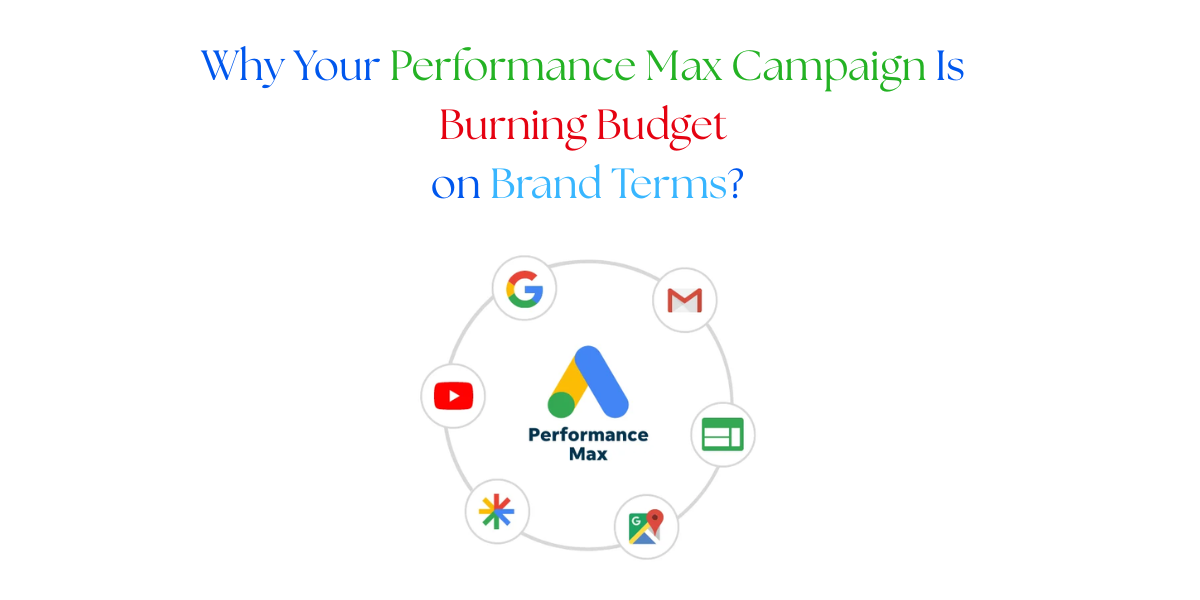
Why Your Performance Max Campaign Is Burning Budget on Brand Terms?
Many advertisers launch Performance Max campaigns expecting better reach, automation, and improved conversions. The promise sounds appealing. You give the platform your assets and goals. Then the system finds the best opportunities automatically.
However, many marketers soon notice a frustrating issue. Their Performance Max campaign is burning budget on brand terms.
You may see strong conversion numbers in your account. At first glance, the campaign appears successful. But when you examine the data carefully, you realise something important. A large portion of conversions comes from users who were already searching for your brand.
Platforms like Google Ads are designed to maximise performance signals. If brand searches convert easily, the system will prioritise them.
For businesses, this behaviour creates a problem. You may end up paying for traffic you would have received anyway through organic search or existing brand demand.
Understanding why this happens is essential if you want to control your advertising spend and improve campaign efficiency.
What Performance Max Campaigns Actually Do?
Performance Max campaigns are designed to run across multiple advertising channels simultaneously.
Instead of creating separate campaigns for each network, the system distributes ads across:
- Search
- Display
- Video
- Discovery
- Shopping
- Gmail Placements
The automation relies heavily on machine learning.
You provide creative assets, audience signals, and conversion goals. The algorithm then determines where ads should appear.
The system constantly tests placements and adjusts bids to maximise conversions.
This automation can be powerful. Yet it also creates less transparency compared with traditional campaign types.
Advertisers often have limited visibility into exactly where their budget is going.
This is where brand term spending often becomes hidden.
Why Brand Terms Attract Performance Max Budget?
Brand searches typically convert at very high rates.
When someone searches for your brand name, they already know your business. Their purchase intent is strong.
From the perspective of the campaign algorithm, these searches are extremely valuable.
The machine learning system identifies that brand searches generate quick conversions. As a result, it often prioritises these queries.
This behaviour aligns with the campaign objective. The system tries to maximise conversions at the lowest cost.
However, it does not consider whether those conversions would have happened organically.
For example, if a user searches your brand directly in Google Search, your website will likely appear in the top organic position.
Yet the Performance Max campaign may still display an ad for that same search.
If the user clicks the ad instead of the organic listing, the campaign receives credit for the conversion.
In reality, that conversion might have occurred even without paid advertising.
The Visibility Problem With Performance Max
One major challenge with Performance Max campaigns is limited reporting.
Traditional search campaigns allow advertisers to review detailed search term reports. These reports reveal which keywords triggered ads.
Performance Max campaigns offer far less transparency.
You can see some insights about categories or themes. But you cannot easily view every search term.
This makes it harder to identify how much budget is being spent on brand queries.
Many advertisers only discover the issue after analysing overall account performance.
For instance, organic traffic may decline slightly while paid brand conversions increase.
When this happens, it often means your Performance Max campaign is capturing brand searches.
Without proper controls, this behaviour can quietly increase advertising costs.
Why This Problem Affects Budget Efficiency
Brand search traffic is usually the easiest traffic to convert.
Users already trust your brand. They are simply looking for the quickest path to your website.
If your Performance Max campaign captures these clicks, the algorithm will continue investing in them.
Over time, a large share of the budget may go toward brand terms.
This leaves less budget available for new customer acquisition.
Instead of reaching new audiences, the campaign keeps targeting people who already know your business.
This reduces the overall growth potential of your advertising strategy.
In other words, your campaign may look successful in reports while failing to expand your market reach.
How To Detect Brand Spending in Performance Max?
Although reporting is limited, there are ways to detect brand spending patterns.
First, compare your brand search campaign performance with Performance Max conversions.
If brand search volume suddenly decreases while Performance Max conversions increase, brand capture may be occurring.
Second, monitor overall organic brand traffic.
If your brand name ranks strongly in organic results but paid conversions rise, ads may be intercepting that traffic.
Third, analyse campaign timing and attribution patterns.
If conversions appear unusually fast after impressions, it may indicate brand queries rather than discovery-based traffic.
These signals help reveal whether your campaign is prioritising brand searches.
Using Brand Exclusions to Protect Budget
One effective solution is implementing brand exclusions.
Brand exclusions prevent Performance Max campaigns from bidding on specific branded search queries.
This allows you to control where your budget goes.
You can then allocate brand traffic to dedicated brand campaigns or rely on organic search visibility.
Brand exclusions also ensure your Performance Max campaign focuses on discovering new customers.
This adjustment helps improve the quality of campaign expansion.
It also creates clearer attribution across your advertising strategy.
Separate Brand and Non-Brand Strategies
A well-structured advertising account separates brand traffic from growth campaigns.
Brand campaigns typically serve defensive purposes. They ensure competitors do not capture your branded searches.
These campaigns usually operate with lower budgets and controlled bids.
Non-brand campaigns, however, focus on discovery.
They target users searching for products, services, or problems related to your industry.
Performance Max campaigns often work best when they focus on these non-brand opportunities.
Separating strategies improves budget control and campaign clarity.
It also provides better insight into which channels are driving new customers.
Improving Performance Max Signals
Performance Max relies heavily on signals.
The quality of those signals influences how the algorithm allocates budget.
To guide the campaign toward new audiences, you should provide strong audience input.
These may include:
- customer lists
- in-market audiences
- remarketing segments
- website behaviour data
Providing richer signals helps the system understand which users are more valuable.
Over time, this reduces the tendency to rely heavily on brand searches.
Instead, the algorithm explores broader opportunities.
Aligning Automation With Strategy
Automation tools can be powerful when used correctly.
However, automation must still align with business goals.
Performance Max is designed to optimise for conversions. But the definition of success must come from your strategy.
If your goal is new customer acquisition, your campaigns must be structured accordingly.
Without proper controls, automation may prioritise easy wins rather than long-term growth.
Managing Performance Max effectively requires ongoing monitoring, testing, and adjustments.
Automation works best when guided by strategic oversight.
Make Performance Max Work for Growth
Performance Max campaigns can deliver impressive results. Yet without careful management, they may spend too much budget on brand terms.
When this happens, you pay for conversions that might have occurred anyway.
By identifying brand spending patterns, implementing exclusions, and separating brand strategies, you can regain control of your advertising budget.
This approach allows your campaigns to focus on what truly matters — acquiring new customers and expanding your reach.
If you want to optimise your advertising strategy and ensure your campaigns drive real business growth, our team at Reach Rocket Media can help.
We specialise in performance-driven PPC strategies that maximise ROI while preventing wasted ad spend. Connect with Reach Rocket Media today, and let’s turn your campaigns into a scalable growth engine.

Zero-Click Searches Took 65% of Your Organic Traffic. Here’s How to Win Anyway
If you have noticed a drop in organic clicks, zero-click searches may be one of the main reasons. Many users now get answers directly on the search results page. They no longer need to click a website to find information.
This shift is happening across Google Search. The search engine now displays quick answers, summaries, featured snippets, maps, and product results directly on the results page.
For users, this is convenient. They find answers faster.
For businesses and publishers, however, it creates a challenge. Your website may still appear in search results. Yet users may not visit your page.
Research from SEO platforms like SparkToro has shown that a large portion of searches end without a click.
This trend does not mean SEO is dying. It simply means the rules of visibility are evolving.
To succeed today, you must rethink how organic search works. Instead of chasing clicks alone, you must focus on search presence, authority, and visibility across the entire results page.
What Exactly Is a Zero-Click Search?
A zero-click search happens when a user receives the answer directly from the search results page.
The user searches for a question. Google shows the answer immediately. The user leaves without visiting any website.
This happens through several search features.
These include:
- Featured snippets
- Knowledge panels
- Instant answers
- Local business packs
- AI-generated summaries
For example, if someone searches for a simple question, Google may show the answer in a highlighted box.
The user reads the answer and moves on.
From a user perspective, this improves convenience. From a publisher’s perspective, it reduces traffic opportunities.
However, these features also create new opportunities for visibility.
If your website appears inside these search features, your brand still gains exposure.
Why Zero-Click Searches Are Increasing?
Several factors are driving the growth of zero-click searches.
First, search engines want to provide faster answers. Users expect immediate results. If the answer appears instantly, satisfaction increases.
Second, mobile search behaviour has changed. People often search while travelling, shopping, or multitasking. They want quick information rather than long browsing sessions.
Third, AI-powered search features are expanding.
Tools like Google Gemini and conversational search systems are helping search engines summarise content more effectively.
These technologies extract information from multiple sources and present it in a single answer.
As these systems improve, zero-click searches will likely become even more common.
Understanding this shift is essential if you want your SEO strategy to remain effective.
Why Traditional SEO Metrics Are Changing?
In the past, SEO success focused heavily on click-through rates and traffic numbers.
Higher rankings meant more visitors.
Today, visibility works differently.
Your website may rank well. It may even provide the information Google displays in a featured snippet. Yet the number of clicks may still decline.
This does not necessarily mean your content is failing.
In many cases, your content may be powering the answer users see.
Search engines are evolving from simple directories into information platforms.
As a result, SEO strategies must evolve as well.
Instead of measuring success only through clicks, businesses must also evaluate:
- Search visibility
- Brand exposure
- Authority signals
These indicators reflect how often your content influences search results.
How to Optimise for Featured Snippets?
One of the most effective ways to benefit from zero-click searches is by targeting featured snippets.
A featured snippet is the highlighted answer box that appears at the top of many search results.
If your content appears in this position, your website gains strong visibility.
Even if some users do not click, your brand becomes associated with the answer.
To increase your chances of appearing in snippets, you should structure your content clearly.
For example:
- Answer questions directly
- Use short paragraphs
- Include lists and bullet points
- Add clear headings
When search engines analyse structured content, they can extract answers more easily.
This improves your chances of appearing in snippet results.
Build Content Around Search Intent
Search intent has become more important than ever.
Users search with specific goals. They may want to learn something, compare products, or solve a problem.
If your content addresses these needs clearly, it performs better.
Instead of writing broad articles, focus on answering specific questions.
For example, users may search:
- How a service works
- Why something happens
- What solution should they choose
When your content directly addresses these questions, search engines recognise its usefulness.
This increases the likelihood that your information will appear in search features.
Even when users do not click immediately, your brand still gains authority.
Strengthen Your Brand Presence in Search
Zero-click searches reward strong brands.
When users repeatedly see your website in search results, they begin to recognise your brand.
Later, when they need deeper information, they may search your brand directly.
This is why brand-driven SEO is becoming more important.
Your content should consistently demonstrate expertise and reliability.
Publishing valuable insights builds trust over time.
Search engines recognise trusted websites and often feature them more prominently in results.
When your brand becomes associated with reliable information, visibility improves naturally.
Optimise for Local and Visual Search
Not all search features reduce traffic. Some actually create new opportunities.
Local search results, for example, often appear in map packs.
Platforms like Google Maps allow businesses to gain visibility even before users visit their websites.
Similarly, image search and visual results are becoming more important.
Optimised images, descriptive alt text, and structured data can help your website appear in visual search results.
These placements attract users who prefer visual exploration rather than text-based browsing.
Expanding your SEO strategy beyond traditional rankings helps capture more search opportunities.
Create Content That Goes Beyond Quick Answers
Some search queries require deeper explanations.
For example, complex topics, guides, or comparisons cannot be summarised easily in a short answer box.
This type of content still drives strong traffic.
To attract these users, focus on in-depth resources.
Examples include:
- detailed guides
- industry insights
- strategic analysis
- case studies
These formats provide value that search snippets cannot fully replace.
Users who want a deeper understanding will still visit your website.
Long-form, high-quality content, therefore, remains an important part of modern SEO.
Measure Success Beyond Clicks
Because zero-click searches are increasing, SEO performance should be measured more broadly.
Instead of focusing only on traffic numbers, consider additional indicators.
These include:
- brand impressions
- keyword visibility
- search presence in snippets
- authority within your niche
These signals reveal how often your content influences search behaviour.
Over time, strong visibility can lead to increased brand recognition and higher conversion rates.
SEO is no longer just about attracting clicks. It is about owning search visibility.
Adapting Your SEO Strategy for the Future
Search engines continue to evolve rapidly.
Features such as AI-generated answers and knowledge panels will likely become more advanced.
However, the core principle remains the same.
Search engines want to deliver helpful, accurate information to users.
If your content provides genuine value, it will continue to play an important role in search results.
Instead of resisting changes like zero-click searches, successful businesses adapt their strategies.
They optimise content for visibility, authority, and long-term trust.
This approach ensures that their presence remains strong even as search behaviour evolves.
Build an SEO Strategy That Wins in the Zero-Click Era
Zero-click searches may reduce some organic clicks, but they also open new opportunities for visibility and authority.
When your content appears in featured snippets, answer boxes, and search features, your brand becomes part of the user’s discovery process.
By focusing on structured content, search intent, and brand authority, you can turn these changes into a strategic advantage.
If you want to build an SEO strategy that thrives in the evolving search landscape, our team at Reach Rocket Media can help. We specialise in modern search optimisation that improves visibility, authority, and long-term organic growth. Connect with Reach Rocket Media today, and let’s create an SEO strategy that wins even in the zero-click search era.
Why Template Websites Limit Business Growth?
Many businesses start their online journey with template websites. The reason is simple. Templates are quick to launch and usually cost less. Platforms like Wix, Squarespace, and Shopify offer ready-made designs that allow you to create a website in hours.
At first, this solution feels perfect. You select a theme, add some text, upload images, and publish your website. Your business finally has an online presence.
However, problems often appear as your business grows.
Template websites are built for convenience. They are not built for flexibility, scalability, or deep optimisation. Over time, these limitations start affecting performance, branding, and search visibility.
You may notice your competitors ranking higher in Google Search. You may struggle to customise your website features. Your design may start to look similar to dozens of other businesses.
This is when many companies realise an important truth. A template website may help you start quickly, but it can also limit long-term business growth.
Let us explore why this happens and what you should consider before relying entirely on template-based website solutions.
Limited Design Flexibility
Template websites follow predefined layouts. You choose a design and customise small elements like colours, images, and text.
However, the structure of the site usually stays fixed.
This limitation may not seem serious at first. But as your brand grows, you may want a more distinctive design.
Your website should reflect your brand identity. It should communicate professionalism and uniqueness.
Template-based designs make that difficult. Many businesses using the same template end up with websites that look almost identical.
This lack of uniqueness weakens your brand perception.
When customers visit your website, they often compare it with others. If your design looks generic, your brand may feel less trustworthy.
Custom websites allow full design control. Templates restrict creativity.
Over time, this design limitation can slow your brand’s digital growth.
SEO Limitations
Search engine optimisation plays a major role in online visibility. A website must be properly structured for search engines to understand and rank it.
Template websites often limit your ability to control important SEO elements.
For example, some templates restrict:
- URL structures
- page hierarchy
- structured data
- technical optimisation
Even if you use plugins or built-in SEO settings, you may not gain complete control.
Platforms like WordPress offer more flexibility. Yet many template themes still contain unnecessary code or rigid structures.
These factors can affect website performance and crawlability.
Search engines prefer websites that are well structured, fast, and technically optimised. If your template restricts these improvements, your SEO strategy becomes harder to execute.
This limitation can prevent your website from reaching its full search visibility.
Slower Website Performance
Website speed directly affects user experience. Visitors expect websites to load quickly. If your pages take too long to load, many users leave.
Templates often include extra scripts, design components, and features that your website may not even need.
These unnecessary elements increase page weight and slow down performance.
You may try to optimise images or compress files. However, the underlying template structure may still contain excessive code.
This can make performance optimisation more difficult.
Search engines also consider page experience signals such as Core Web Vitals when evaluating websites.
If your template design includes heavy elements, it may negatively affect these metrics.
Custom-built websites allow developers to remove unnecessary features. This leads to cleaner code and faster loading speeds.
Templates rarely offer that level of optimisation.
Limited Scalability
Businesses evolve over time. Your website should evolve with it.
You may start with a simple informational website. Later, you might want to add advanced features such as:
- customer portals
- booking systems
- membership areas
- advanced analytics
- custom integrations
Template websites often struggle with these expansions.
Many template platforms support plugins or apps. However, these additions may create compatibility issues or slow down your site.
Sometimes you may discover that the feature you need simply cannot be implemented within the template environment.
At that point, businesses often rebuild their entire website from scratch.
This process can be expensive and time-consuming.
A scalable website architecture helps prevent these challenges from the beginning.
Weak Brand Differentiation
Your website is often the first impression customers have of your business.
If your site looks generic, your brand may appear less professional.
Templates usually follow design trends. That means thousands of businesses may use the same layout.
Visitors who browse multiple websites quickly notice these similarities.
When your design looks familiar or repetitive, your brand identity weakens.
Custom websites allow you to design experiences tailored to your audience.
You can highlight your unique value, showcase your services clearly, and create a visual style that reflects your brand personality.
This differentiation helps you stand out in competitive markets.
Limited Control Over User Experience
User experience plays a crucial role in digital success.
A well-designed website guides visitors smoothly through information, services, and actions.
Template websites often restrict how pages interact with each other.
For example, you may want to create custom navigation flows or interactive elements that improve engagement.
Templates may not support these ideas easily.
You may find yourself adjusting your business strategy to fit the template instead of designing the website around your business.
That approach rarely works well in the long term.
Custom development allows your website to match your user journey perfectly.
Visitors can navigate easily, find relevant information quickly, and take action without confusion.
Better user experience often leads to better conversion rates.
Security and Dependency Risks
Template platforms often rely on third-party plugins, themes, and applications.
These components require regular updates and maintenance.
If a plugin becomes outdated or incompatible, your website may face security risks or functionality issues.
In some cases, platform restrictions may prevent you from applying custom security measures.
Custom-built websites offer greater control over security architecture.
Developers can implement tailored protection systems, optimise server environments, and maintain direct oversight of website updates.
This level of control reduces long-term risks.
For businesses that rely heavily on their websites, security becomes a critical factor.
Migration Challenges
Many businesses eventually outgrow template websites.
At that point, they decide to migrate to a custom-built platform.
However, migration can be complicated.
Content structures, URLs, and SEO settings must be transferred carefully. If migration is poorly handled, rankings and traffic may drop.
Businesses sometimes underestimate the complexity of this process.
Starting with a scalable website structure can prevent these challenges in the future.
Planning your digital infrastructure properly from the beginning often saves time, effort, and resources.
Choosing the Right Website Strategy for Growth
Template websites are not always a bad choice. They can be useful for small projects or early-stage startups.
They allow businesses to launch quickly and test ideas.
However, if your goal is long-term digital growth, you should consider the limitations carefully.
A website should function as a growth platform. It should support marketing strategies, SEO performance, branding, and customer engagement.
Templates often provide convenience but limit flexibility.
Custom websites provide control, scalability, and stronger optimisation opportunities.
Choosing the right approach depends on your business goals and growth plans.
Build a Website That Supports Real Business Growth
Your website should do more than simply exist online. It should actively support your business expansion.
A scalable and well-optimised website strengthens your SEO strategy, improves brand identity, and enhances user experience.
Template websites can help you start quickly, but they may restrict your long-term potential.
If you want a website that truly supports your digital growth, our team at Reach Rocket Media can help. We design and develop SEO-focused, scalable websites that align with your marketing strategy and business goals. Connect with Reach Rocket Media today, and let’s build a website that grows with your business.

Google’s Helpful Content System Doesn’t Hate AI Writing. It Hates This.
Many people believe Google’s Helpful Content System punishes AI-generated articles. That idea spreads widely in SEO discussions. However, it is not entirely accurate.
The real issue is not AI writing itself. The problem is unhelpful content.
According to Google, the Helpful Content System focuses on whether content genuinely helps readers. It does not judge how the content was created. It only evaluates the value it provides.
This means AI tools can assist with writing. But they cannot replace expertise, insight, or clarity.
If you publish shallow content that adds little value, your rankings may drop. It does not matter whether a human wrote it or an AI tool generated it.
The system simply tries to reward useful, people-first content in Google Search.
Understanding this difference changes how you approach content creation. Instead of fearing AI, you should focus on creating content that genuinely helps your readers.
What Google’s Helpful Content System Actually Does?
Google introduced the Helpful Content System to improve the quality of search results.
For many years, search engines struggled with low-value content. Many websites produce articles purely for rankings. These pages often repeat information without offering anything new.
To address this issue, Google created a system that evaluates the overall usefulness of a website’s content.
This system analyses signals such as:
- Depth of information
- Originality of insights
- Relevance to the topic
- Clarity of explanations
If a website consistently publishes helpful material, it gains trust. If it produces low-value content repeatedly, its visibility may decline.
Importantly, Google does not analyse whether a text was written by AI or a human.
Instead, it focuses on the outcome.
Does the content genuinely help the reader?
If the answer is yes, the page can perform well.
The Real Problem – Mass-Produced Low-Value Content
The biggest issue today is not AI writing. It is mass-produced content with little substance.
Many websites generate dozens of articles quickly using AI tools. They publish them without editing, research, or expertise.
These articles often contain:
- generic explanations
- repetitive information
- vague statements
- minimal insights
Such content rarely helps readers solve real problems.
Search engines can recognise patterns like these. When a website repeatedly publishes low-value articles, its credibility drops.
This is what the Helpful Content System targets.
It discourages content created purely to attract traffic without delivering real value.
Why AI Writing Alone Is Not the Issue?
AI tools can be powerful assistants. Writers often use them to organise ideas, improve clarity, or accelerate research.
Many professionals rely on tools like ChatGPT and Google Gemini to support content creation.
However, these tools cannot replace expertise.
AI generates information based on existing data. It cannot add real-world experience, industry insights, or creative thinking on its own.
When writers depend entirely on AI output, the content often feels generic.
That lack of originality becomes the real problem.
If AI helps you write but you still add your own perspective, analysis, and expertise, the content can remain highly valuable.
The key difference lies in human guidance.
Signs Your Content May Trigger Helpful Content Issues
Some websites unintentionally produce content that struggles with helpfulness signals.
There are a few warning signs you should watch carefully.
- Content Written Only for Search Engines: If an article focuses heavily on keywords but barely helps readers, it may perform poorly. Keyword optimisation matters. However, clarity and usefulness matter more.
- Repeating Information Found Everywhere: If your article simply rephrases existing information, it offers little value. Search engines prefer content that expands the conversation.
- Publishing Too Much Too Quickly: Rapid publishing often leads to lower quality. Articles may lack depth, research, or accuracy. Consistency matters more than volume.
- No Real Expertise: Readers trust content written by people who understand the topic. If your content shows no expertise or insight, it may struggle to gain credibility. Recognising these issues helps you adjust your strategy before rankings decline.
What Helpful Content Actually Looks Like?
Helpful content focuses on solving real problems for readers.
Instead of chasing keywords, it addresses genuine questions.
Strong, helpful content usually includes:
- clear explanations
- practical advice
- structured information
- examples or case insights
It also speaks directly to the reader.
You should guide the reader step by step. Avoid unnecessary complexity. Keep the language simple and clear.
This approach improves both readability and search performance.
Search engines analyse user behaviour. If readers stay longer and engage with your content, that sends positive signals.
Over time, those signals help improve rankings.
The Importance of Topical Authority
Another important factor is topical authority.
Search engines trust websites that consistently cover a subject in depth.
If your site publishes random articles across unrelated topics, it appears less reliable.
Instead, you should build clusters around your main expertise.
For example, a digital marketing website may publish articles about:
- SEO strategy
- content marketing
- AI search trends
- paid advertising optimisation
- technical SEO
This network of related content strengthens authority.
When search engines see this structure, they recognise your site as a credible source.
Helpful content works best within a strong topical ecosystem.
Why Human Editing Is Essential?
AI tools can generate drafts quickly. However, publishing raw AI text rarely produces strong results.
Human editing plays a critical role.
When you review AI-assisted content, you can:
- Improve clarity
- Add expert insights
- Remove inaccuracies
- Structure the information better
These adjustments transform basic drafts into valuable resources.
You also ensure the content feels natural and conversational.
Readers connect better with writing that feels human. They trust information that shows a genuine understanding.
Therefore, AI should support the writing process rather than replace it.
Creating People-First Content That Ranks
Google repeatedly emphasises one principle.
Content should be written for people first.
That idea may sound simple, but it has powerful implications.
When you focus on people-first writing, you:
- answer real questions
- explain topics clearly
- avoid unnecessary keyword stuffing
- provide meaningful insight
This approach improves both user satisfaction and search visibility.
Search engines continuously improve their ability to detect helpful information.
As those systems evolve, content quality becomes even more important.
Websites that invest in thoughtful, well-structured content will continue to perform well.
The Future of AI-Assisted Content
AI writing tools will remain part of modern content creation.
They help speed up research, organise ideas, and overcome writer’s block.
However, the future of SEO will depend on human expertise combined with AI assistance.
Writers who rely entirely on automation may struggle to produce distinctive content.
Those who combine AI efficiency with human insight will create far stronger articles.
In the long term, search engines will continue prioritising value over production methods.
So the question is not whether AI is allowed.
The real question is whether your content genuinely helps readers.
Turning AI Tools Into an SEO Advantage
Instead of fearing AI tools, you should learn how to use them responsibly.
When combined with research, expertise, and editing, AI can enhance your content workflow.
You can create deeper resources, publish consistent insights, and respond to industry trends faster.
The key is to focus on quality over automation.
If your content genuinely helps readers, search engines will recognise its value.
If you want to build a content strategy that aligns with modern search systems, our team at Reach Rocket Media can help.
We create human-focused SEO content that balances AI efficiency with real expertise. Connect with Reach Rocket Media today and let us help you build content that both readers and search engines trust.

Google’s AI Overviews Are Changing SEO Forever – Here’s the Strategy That Still Works
Google AI Overviews are changing how people experience search. If you rely on organic traffic, you already feel the shift. Instead of showing ten blue links, Google now generates AI summaries at the top of many results in Google Search. These summaries answer questions instantly.
That means users often get their answers without clicking a website.
For businesses, this change feels alarming. Many websites are already seeing lower click-through rates. Even when you rank first, the AI overview may appear above you.
However, SEO is not dying. It is evolving.
We see a clear pattern. The websites that adapt their strategy continue to gain visibility. Those who follow old tactics lose ground quickly.
So the real question is simple.
How do you stay visible when AI summarises search results?
In this guide, we will show you what is changing. More importantly, we will explain the SEO strategy that still works in the AI search era
What Google AI Overviews Actually Are?
AI Overviews are part of Google’s shift toward AI-assisted search results. Instead of just indexing pages, the search engine now analyses information and produces a short answer.
This system uses advanced language models similar to those used by tools like ChatGPT and Google Gemini.
Here is how the process works:
- A user asks a question.
- Google analyses top pages and trusted sources.
- The AI generates a summary answer.
- It includes references to a few websites.
So the AI overview sits above traditional search results. It often contains links, but far fewer than classic rankings.
This leads to two major shifts.
First, users may stop clicking once they read the summary.
Second, Google chooses only a handful of sources to support its answer.
Therefore, visibility matters more than ranking alone.
Your website must become a trusted source that AI systems want to cite.
Why Traditional SEO Tactics Are Losing Power
For many years, SEO followed a simple formula.
- You targeted a keyword.
- You optimised your page.
- You ranked on page one.
This approach still matters, but it no longer guarantees traffic.
AI Overviews introduce several new challenges.
- Fewer Clicks Even for Top Rankings: If Google answers a question directly, users may not need to open any page. Your ranking still exists, but fewer people visit.
- Keyword-Only Strategies No Longer Work: Search engines now understand topics, intent, and context. Pages written purely for keywords feel thin to AI systems.
- Content Farms Lose Trust: AI summaries rely heavily on credible sources. Sites that publish low-value articles struggle to appear in AI references.
- Authority Matters More Than Ever: AI systems prefer brands that demonstrate expertise.
This means authority, structure, and topical depth now influence visibility more than simple keyword optimisation.
The SEO Strategy That Still Works
While many tactics are fading, one strategy continues to succeed.
That strategy is topical authority combined with structured expertise.
In simple terms, you must become the best source on a topic.
Instead of publishing random blogs, you build a knowledge ecosystem around your niche.
Here is what that looks like in practice.
Build Topic Clusters
You should organise content into clusters.
For example, if your niche is digital marketing, your structure may include:
- SEO strategy guides
- Technical SEO tutorials
- AI search optimisation
- Content marketing frameworks
- Local SEO strategies
Each topic links to supporting articles. This creates depth that search engines recognise.
Answer Real Questions
AI systems prefer content that answers questions clearly.
So you should write sections that directly respond to user queries.
Examples include:
- What is AI search optimisation?
- How do AI Overviews choose sources?
- Can websites still rank in AI results?
When you answer questions directly, your page becomes easier for AI to reference.
Provide Original Insight
AI tools scan the web for valuable perspectives.
If your article repeats existing information, it adds little value.
However, if you include:
- expert opinions
- frameworks
- unique analysis
Your content becomes more useful to AI systems.
Optimise Content for AI Visibility
Optimising for AI search is not the same as traditional SEO.
You must structure content in ways that AI models understand easily.
Here are the methods we recommend.
Use Clear Heading Structures
Your article should follow a logical hierarchy.
For example:
- H1: Main topic
- H2: Subtopics
- H3: Supporting explanations
Clear structure helps search engines interpret your content faster.
Write Concise Answer Blocks
AI systems often extract small sections from articles.
Therefore, short explanation blocks work well.
For example:
What are Google AI Overviews?
– They are AI-generated summaries that appear at the top of search results.
Short answers increase the chance of citation.
Use Natural Language
You should write the way people speak.
Search engines now understand conversational queries. So overly technical keyword stuffing hurts readability.
Simple language performs better.
Add Supporting Data
Statistics, research, and expert references strengthen credibility.
When AI systems detect trusted information, they prioritise those sources.
Strengthen Your Brand Authority
One clear trend is emerging.
AI systems prefer recognised brands.
Smaller websites can still win, but they must demonstrate credibility. You can strengthen your authority through several methods.
Publish Expert-Level Content
Your articles should teach readers something new. Avoid shallow blogs. Long, well-researched guides perform far better.
Maintain Consistency
Authority grows through consistency. Publishing one strong article every week is far more effective than random posting.
Build High-Quality Backlinks
Backlinks remain a major trust signal. However, quality matters more than quantity. Links from respected websites strengthen your authority significantly.
Showcase Expertise
You should highlight authors, experience, and credentials where possible. This builds trust with both readers and search engines.
Why Human-Centred Content Still Wins
Despite all the AI changes, one principle remains unchanged.
Search engines want to serve helpful content.
If your article genuinely helps readers, it still performs well. You should focus on writing that feels human. Speak directly to your audience. Explain complex ideas simply. Guide readers through the topic step by step.
When users spend time reading your content, search engines notice that engagement. Over time, those signals help your pages remain visible.
So the real goal is not to beat AI.
The goal is to create content that AI wants to reference and that users want to read
The Future of SEO in the AI Search Era
The search landscape will continue evolving.
AI-generated answers will likely expand across more queries. This means SEO will become less about rankings and more about visibility within AI ecosystems.
We already see early trends emerging.
Content that performs well tends to have:
- deep expertise
- structured formatting
- strong topical coverage
- trusted brand signals
In other words, SEO is moving closer to true digital authority.
Businesses that invest in quality content today will benefit the most tomorrow.
Those who rely on shortcuts will struggle to stay visible.
Turning AI Search Disruption Into Opportunity
The rise of AI search may seem intimidating. However, it also creates new opportunities.
Many competitors still follow outdated SEO strategies. They chase keywords without building authority.
That gap creates an advantage for businesses that adapt early.
If you build structured, expert-level content, your website can become a source that AI systems reference repeatedly.
Over time, that visibility strengthens both traffic and brand trust.
If you want to adapt your SEO strategy for the AI era, our team at Reach Rocket Media can help. We design future-ready SEO systems that align with AI search, topical authority, and modern content strategy. Connect with Reach Rocket Media today, and let’s position your business for the next generation of search.

Your Site Loads in 2.1 Seconds. Here’s Why Google Still Won’t Rank You
Many website owners believe website speed and SEO rankings go hand in hand. That idea is partly true. A fast website helps your performance in Google Search. However, speed alone does not guarantee rankings.
You might already run your site through tools like Google PageSpeed Insights or Google Lighthouse. The results look impressive. Your site loads in 2.1 seconds. Your performance score sits above 90. Everything seems perfect.
Yet your pages still struggle to appear on the first page.
That situation confuses many businesses. You invest time in optimisation, image compression, and server improvements. Still, rankings do not move.
The reason is simple. Google does not rank fast websites. Google ranks useful websites.
Speed matters. But it is only one small part of a much larger system. Search engines evaluate dozens of signals before deciding which pages deserve visibility.
If your site loads quickly but still fails to rank, the problem usually lies in other areas. Let us explore the factors that truly influence SEO performance.
Website Speed Is Only a Minor Ranking Factor
Many people assume that faster websites automatically rank higher. That assumption oversimplifies how search algorithms work.
Speed became a ranking signal when Google introduced page experience metrics such as Core Web Vitals. These metrics measure loading performance, visual stability, and responsiveness.
However, Google has repeatedly clarified one thing.
Page experience cannot replace great content.
If two pages offer similar information, the faster one may rank higher. But if a slower page provides more useful information, it often wins.
In other words, speed is a tie-breaker. It rarely decides rankings on its own.
Many websites invest heavily in performance optimisation. They ignore content depth, topical authority, and search intent. As a result, they improve speed but not rankings.
Understanding this difference changes how you approach SEO.
Weak Search Intent Alignment
One of the most common ranking problems is misaligned search intent.
Search intent describes the reason behind a user’s query. People search for information, solutions, comparisons, or purchases.
If your page does not match that intent, Google will not rank it well.
For example, imagine someone searches for:
“Best SEO tools for beginners.”
That search indicates comparison intent. The user expects a list or guide.
If your page only explains what SEO tools are, it fails to satisfy that expectation. Even a fast website will struggle to rank.
Google’s algorithms analyse how well your page answers the query. If other pages provide clearer answers, they will outrank you.
Therefore, the first step in ranking is not speed optimisation. It is intent alignment.
Your content must match what users truly want.
Thin or Generic Content
Another major ranking barrier is thin content.
Many websites publish articles that repeat information already available online. These pages rarely add new insight.
Search engines prefer content that delivers depth and clarity.
Thin content usually shows signs such as:
- Short explanations with little detail
- Rewritten versions of existing articles
- Lack of examples or insights
- Minimal coverage of the topic
Even if your page loads instantly, it will struggle to compete with detailed guides.
Strong SEO content usually includes:
- comprehensive explanations
- clear structure
- practical examples
- useful insights
The goal is to make your page the best answer available.
When search engines detect valuable information, they reward that page with visibility.
Weak Topical Authority
Search engines trust websites that demonstrate expertise in a subject.
This concept is known as topical authority.
If your website publishes only a few scattered articles about SEO, it appears less credible than a site dedicated to digital marketing.
Google’s systems analyse how deeply your site covers a topic.
For example, a strong SEO website may include content about:
- technical SEO
- content optimisation
- keyword research
- link building
- search algorithm updates
Each article strengthens the overall topic cluster.
When search engines see this structure, they recognise expertise.
Without topical authority, even a fast website may struggle to rank for competitive keywords.
Poor Internal Linking Structure
Internal linking plays a major role in SEO performance. Unfortunately, many websites overlook it.
Internal links help search engines understand how your content connects. They also distribute authority across your pages.
Without proper linking, search engines may struggle to identify your most important content.
A good internal linking strategy includes:
- linking related articles together
- guiding users to deeper resources
- supporting pillar content with cluster articles
This structure improves both crawlability and user experience.
When search engines can easily navigate your website, they index your pages more effectively.
Speed helps visitors stay on your site. But structure helps search engines understand your site.
Weak Backlink Profile
Backlinks remain one of the strongest ranking signals.
A backlink occurs when another website links to your page. These links act as votes of confidence.
If trusted websites reference your content, search engines view your page as more credible.
However, many fast websites have weak backlink profiles.
Without external references, search engines have little evidence that your page deserves authority.
High-quality backlinks usually come from:
- industry blogs
- reputable publications
- educational resources
- expert websites
The key is quality, not quantity.
A few strong links often provide more value than hundreds of low-quality ones.
Building backlinks takes time. Yet it remains essential for competitive rankings.
Poor Content Structure
Even valuable content can struggle if it lacks structure.
Search engines analyse page layout to understand information.
Clear formatting improves readability for both users and algorithms.
Effective content structure includes:
- descriptive headings
- short paragraphs
- logical sections
- clear topic flow
When your page follows a strong hierarchy, search engines can interpret it more easily.
This clarity increases the chances of appearing in search features such as featured snippets.
Speed helps users access your page quickly. Structure helps them understand it.
Both factors must work together.
Weak User Engagement Signals
Search engines also analyse how users interact with your pages.
If visitors leave immediately, the page may appear less useful.
Positive engagement signals include:
- longer reading time
- scrolling behaviour
- interaction with multiple pages
These signals suggest that users find value in your content.
Fast loading speeds can improve engagement. However, content quality plays a larger role.
If your page fails to capture attention, visitors will leave regardless of performance.
Therefore, engagement depends on storytelling, clarity, and usefulness.
You must create content that keeps readers interested.
Technical SEO Issues Beyond Speed
Website speed represents only one part of technical SEO.
Other technical problems may prevent your site from ranking.
Common issues include:
- poor indexing setup
- duplicate content
- broken links
- missing structured data
Search engines must crawl and understand your pages before ranking them.
If technical errors block this process, rankings will suffer.
Tools such as Google Search Console help identify these problems. They show indexing issues, crawl errors, and performance insights.
Fixing these technical elements ensures search engines can properly evaluate your content.
Why SEO Requires a Complete Strategy?
A fast website provides a strong foundation. It improves user experience and helps search engines crawl your pages efficiently.
However, rankings depend on a combination of factors.
You need:
- valuable content
- clear search intent alignment
- strong authority signals
- technical optimisation
- structured internal linking
When these elements work together, SEO performance improves significantly.
If even one major component is missing, your rankings may remain stagnant.
This explains why some slower websites still outrank faster competitors.
Their overall SEO ecosystem is stronger.
Turning Speed Into Real SEO Growth
Optimising your website speed is still valuable. A 2.1-second load time provides an excellent foundation.
But real SEO growth comes from strategy, not just performance metrics.
You should focus on building topical authority, answering search intent clearly, and publishing genuinely useful content.
When you combine these elements with strong technical optimisation, your site becomes far more competitive.
If your website loads quickly but still struggles in search results, it may be time to rethink your SEO strategy. At Reach Rocket Media, we help businesses build powerful SEO ecosystems that go beyond technical fixes.
Our team focuses on authority, strategy, and long-term visibility so your website does not just load fast — it ranks where it matters. Connect with Reach Rocket Media today and let’s turn your website into a true search engine asset.