You’ve heard the pitch before.
An agency sits across from you and tells you they’ll build a “full-funnel strategy” that takes your audience from strangers to loyal customers. It sounds thorough. It sounds like exactly what your business needs. So you sign the contract, the work begins — and three months later, you’re running a few ads and wondering where the rest of it went.
This is one of the most common frustrations we hear from small and medium-sized businesses. The full-funnel strategy they were promised rarely looks like the one they actually received. And the gap between those two things is costing SMEs serious time, money, and momentum.
So let’s break down what a real full-funnel strategy involves. We’ll also show you what’s usually missing — and why it matters more than most agencies will admit.
What “Full-Funnel” Actually Means
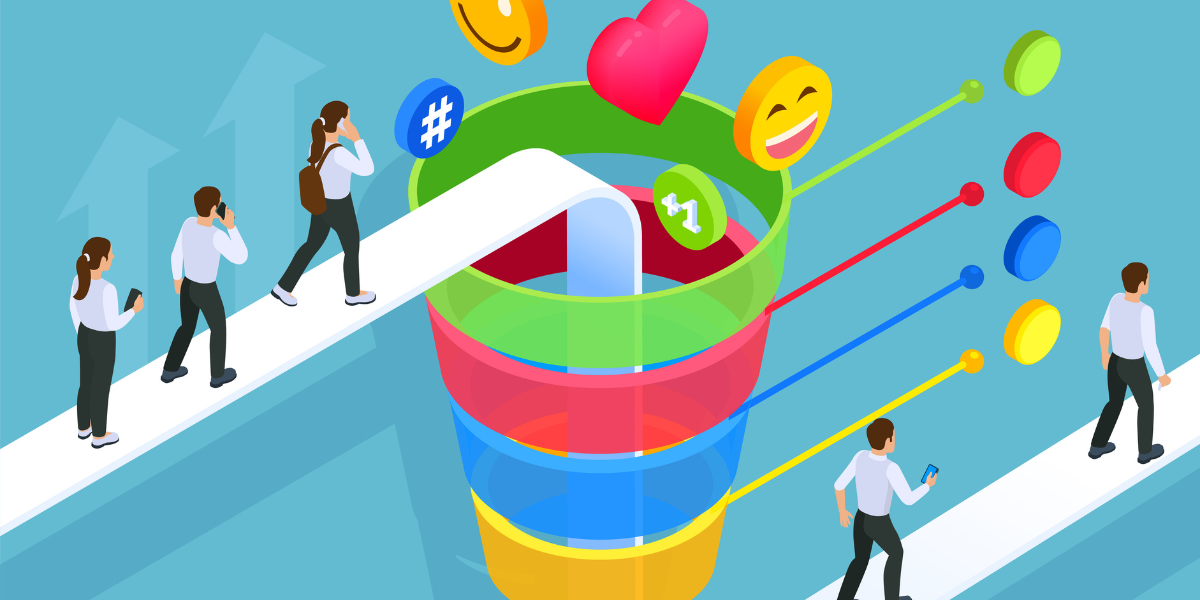
A funnel is a simple idea. People don’t become customers overnight. They move through stages before they buy anything.
At the top, they become aware of you. In the middle, they consider whether you’re the right fit. At the bottom, they decide to buy.
Each stage needs a different approach. You can’t use the same message for someone who’s never heard of you and someone who’s already visited your pricing page three times.
Top of funnel (TOFU) is about reach. You’re introducing your brand to people who don’t know you yet. Think blog content, short-form video, social media posts, and paid awareness campaigns.
Middle of funnel (MOFU) is about trust. You’re helping interested people understand why you’re the right choice. Think case studies, email sequences, comparison guides, and retargeting.
Bottom of funnel (BOFU) is about conversion. You’re nudging ready buyers to take action. Think offers, demos, testimonials, and direct response ads.
A proper full-funnel strategy works all three stages together. They feed each other. Without the top, the bottom runs dry. Without the middle, you lose people who were almost ready to buy.
The Pitch vs. The Reality
Here’s where things get uncomfortable.
Most agencies pitch full-funnel. Very few deliver it.
What you often get instead is a bottom-heavy approach dressed up in full-funnel language. You get Google search ads targeting people already looking for what you sell. You get a landing page. Maybe some retargeting. And that’s called a “funnel.”
We understand why this happens. Bottom-funnel tactics are easier to measure. Clicks, conversions, cost-per-acquisition — these numbers are clean and reportable. They look good in monthly summaries.
Top and middle-funnel work takes longer to show results. It’s harder to attribute directly to revenue. So agencies quietly deprioritise it. And you end up with half a strategy.
The problem is that bottom-funnel tactics have a ceiling. You can only capture people who are already searching for you. You’re not building anything new. And as soon as you stop spending, the leads stop coming.
Where Most SME Campaigns Get Stuck
We speak to a lot of SME owners. The pattern is almost always the same.
They start with ads. The ads work for a while. Then performance dips. The agency recommends a bigger budget. They increase spending. Performance dips again.
This is the hamster wheel of bottom-funnel-only marketing.
The issue isn’t the ads themselves. Paid ads are a legitimate part of the funnel. The issue is that there’s nothing feeding the top. There’s no audience being built. There’s no content warming people up before they hit the ad.
When only the bottom of the funnel is active, you’re hunting in a very small pool. Everyone in that pool has already been shown your ad multiple times. Costs go up. Returns go down.
Building the top of your funnel is what expands that pool. It’s what creates demand instead of just capturing it.
The Missing Middle – Why Nurturing Gets Ignored
If the top of the funnel is the most neglected stage, the middle is a close second.
This is where leads go to die on most SME campaigns.
Someone clicks your ad. They visit your site. They’re interested — but not ready to buy today. What happens next?
For most SMEs, the answer is: nothing. They either bounce and never come back, or they get added to a list that nobody emails.
The middle of the funnel is where you earn trust. It’s where you show people why you’re different. It’s where you turn interest into intent.
This stage usually involves a few key things. A nurture email sequence that delivers value without being pushy. Retargeting that shows different creatives to warm audiences. Content like case studies and testimonials that handle objections before your sales team has to.
This stage takes effort to build. But once it’s running, it does a lot of heavy lifting for you. It shortens your sales cycle. It improves your close rate. And it makes your bottom-funnel spend go a lot further.
What a Real Full-Funnel Strategy Looks Like?
Let’s make this concrete.
A working full-funnel strategy for an SME might look something like this.
At the top, you’re running consistent content. Blog posts targeting informational keywords. Short videos on social platforms where your audience spends time. Paid awareness campaigns introduce your brand to cold audiences. The goal here is visibility and reach — not immediate sales.
In the middle, you’re following up intelligently. People who engaged with your content or visited key pages get retargeted with more specific messaging. You have an email sequence that nurtures new leads over one to two weeks. You’re sharing social proof, addressing common questions, and building familiarity.
At the bottom, you’re converting. Direct response ads. A strong offer. Testimonials on the landing page. A clear and simple call to action. This is where the people who’ve been warmed by the top and middle stages arrive ready to buy.
The key word here is connected. Each stage feeds the next. It’s one system — not three separate campaigns running in isolation.
How to Tell If You’re Getting the Real Thing?
If you’re working with an agency right now, ask yourself a few honest questions.
Do they produce any top-of-funnel content for you? If the answer is no, your funnel has no roof.
Do you have any kind of email nurture sequence in place? If not, your middle is empty.
Are they measuring brand awareness, reach, or engagement — or only clicks and conversions? Agencies that only track bottom-funnel metrics are only running bottom-funnel work.
Are they growing your audience over time? A real full-funnel strategy builds an asset — an audience that knows you and trusts you. If your audience isn’t growing, you’re renting attention rather than building it.
These aren’t trick questions. They’re basic checks. And if the answers are mostly no, you’re not getting a full-funnel strategy. You’re getting the lite version with a full-funnel price tag.
The SME Advantage That Most Agencies Miss?
Here’s something worth saying clearly. SMEs actually have an edge when it comes to full-funnel marketing.
You know your customers. You know their language. You know what they worry about and what they want. That kind of insight is exactly what makes great top and middle-funnel content.
You don’t need a massive budget to do this well. You need consistency and a strategy that’s actually connected.
A well-built full-funnel system compounds over time. Your content builds authority. Your email list grows. Your retargeting audiences get bigger. And your conversion costs drop because the people arriving at the bottom already know who you are.
The SMEs that figure this out stop chasing leads. They start attracting them.
If your current marketing feels like it’s going in circles, there’s a good chance your funnel has a few holes in it. At Reach Rocket Media, we build full-funnel strategies that actually connect – from awareness right through to conversion. If you’re ready to stop buying half a strategy and start building something that works, let’s talk.