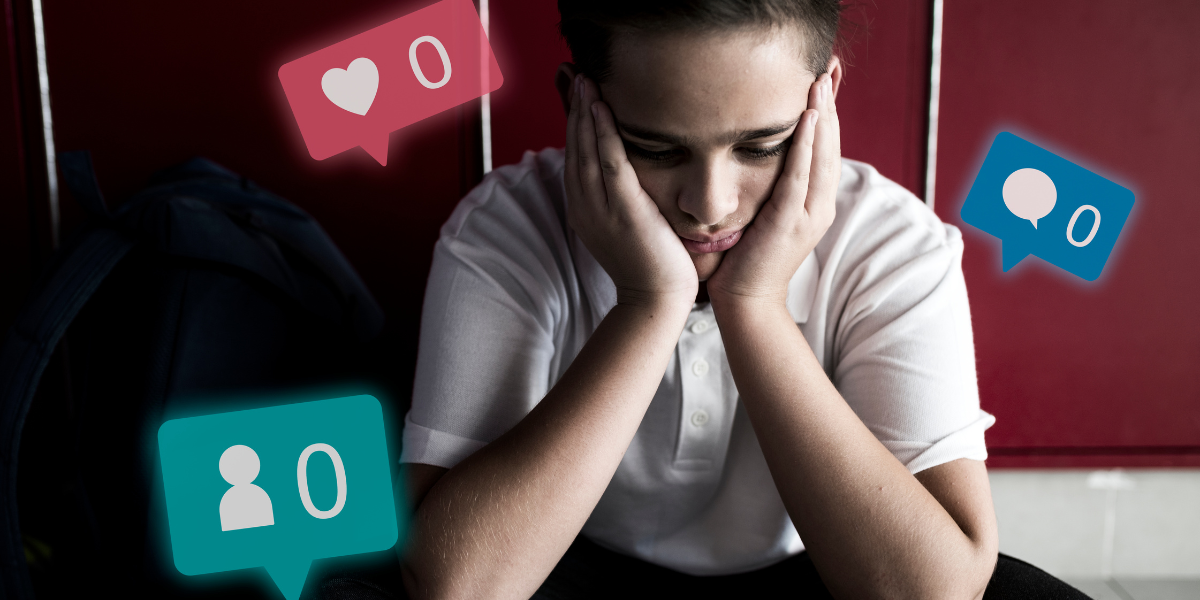
If social media marketing feels more frustrating than it did a few years ago, you are not imagining it.
Brands are posting regularly, investing in creative assets, and even running paid promotions, yet engagement is inconsistent, and growth feels slow. What once delivered quick visibility now demands constant effort with uncertain returns.
This shift is not the result of poor execution alone. The environment itself has changed.
Social platforms have matured, audiences have become more selective, and algorithms are far more complex than they once were. What worked reliably in the past now produces mixed results, even for experienced marketers.
At Reach Rocket Media, we work with UK businesses that often ask the same question. Why does social media feel so hard now?
The answer lies in how platforms, users, and expectations have evolved.
The Early Days Were Simpler by Design
In the earlier stages of social media marketing, platforms were focused on growth. They needed users to join, post, and interact frequently.
As a result:
• Organic reach was generous
• Competition was limited
• Posting consistently was often enough
Brands benefited from an environment where visibility came easily, and audience attention was plentiful.
That phase has ended.
Algorithms Are Now Designed to Control Attention
Modern social platforms are not neutral distribution tools. They are attention management systems.
Algorithms prioritise content that keeps users on the platform longer. This means posts compete not only with other brands but also with creators, entertainment content, and personal interactions.
Visibility is no longer granted by frequency alone. It is earned through relevance and engagement signals.
This shift makes social media marketing feel harder because effort no longer guarantees exposure.
Organic Reach Has Declined Across Platforms
One of the biggest changes is the steady reduction in organic reach.
Brands often notice that posts shown to thousands of followers years ago now reach only a fraction of that number. This is not a technical issue. It is a platform strategy.
Organic reach has been limited to encourage paid promotion and reduce content overload for users.
As a result, brands must now work harder to achieve the same visibility they once received naturally.
Content Saturation Has Changed User Behaviour
There is more content than ever before.
Every day, users scroll past hundreds of posts across multiple platforms. Attention spans are shorter, and tolerance for generic content is low.
This has created a tougher environment where only content that feels relevant or entertaining earns interaction.
For brands, this means:
• Average posts are ignored
• Engagement feels unpredictable
• Growth takes longer
The challenge is not only algorithmic. It is behavioural.
Audiences Are More Selective and Less Trusting
Social media users have matured.
They recognise promotional content quickly and often scroll past it without engaging. Audiences now expect authenticity, clarity, and value.
Content that feels overly polished or sales-driven often underperforms, even if it looks professional.
This change makes social media feel harder because surface-level marketing no longer works consistently.
Platform Priorities Change Faster Than Strategies
Another major frustration is the speed at which platforms evolve.
Features, formats, and priorities change regularly. What receives visibility one year may be deprioritised the next.
For example:
• Short-form video is favoured over static posts
• Community interaction often outweighs reach metrics
• Consistency matters more than volume
Brands that rely on outdated assumptions often see declining results without understanding why.
Metrics No Longer Tell the Full Story
In the past, likes and follower growth were easy indicators of success.
Today, these metrics can be misleading.
A post may receive modest engagement yet drive meaningful website traffic or conversions. Another may perform well visually but deliver no business impact.
This creates confusion and the perception that social media is harder to measure and justify.
The reality is that success now depends on alignment with broader marketing goals, not vanity metrics.
Paid Promotion Has Become a Necessity
Organic social media alone is rarely sufficient for consistent growth.
Paid social is now an essential component, even for brands with strong content. However, paid ads without organic credibility often perform poorly.
When audiences do not recognise or trust a brand, paid impressions feel intrusive rather than helpful.
This makes social media marketing feel more complex, as it requires coordination between organic presence and paid strategy.
Consistency Requires More Resources Than Before
Creating effective social content today requires more than posting images or text.
High-performing content often demands:
• Strategic planning
• Platform-specific formats
• Community management
• Creative testing
This increased workload contributes to the feeling that social media is harder than it used to be.
It is not just about showing up anymore. It is about showing up with purpose.
What Has Not Changed?
Despite the challenges, some fundamentals remain constant.
Social media still works when brands:
• Understand their audience clearly
• Communicate consistently
• Provide genuine value
• Integrate social with SEO and paid media
The difference is that shortcuts no longer exist.
Social Media Is Harder Because It Is More Mature
Social media marketing feels harder because the environment has grown up.
Platforms are crowded, audiences are selective, and algorithms prioritise quality over quantity. Success now requires strategy, patience, and integration with wider digital marketing efforts.
For brands willing to adapt, social media remains powerful. For those relying on old assumptions, frustration is inevitable.